Duyurular
You’ll get a clear map of what urges for specific food mean and how your day, body, and habits shape them. This short intro explains how cravings differ from hunger and why late afternoon or evening often brings stronger desire for energy‑dense options like chocolate.
Your brain and hormones such as dopamine, cortisol, leptin, and ghrelin help signal reward and fullness. Hyperpalatable items can light up reward regions and change appetite signals over time, so repeated exposure can make some foods feel hard to resist.
You’ll also learn why timing and routine matter. Research has found a “craving network” whose connectivity predicted self‑reported urges across diverse people, pointing to a possible future tool for treatment and better diet choices.
Kısacası: this section sets up how the parts of your day, your history with food, and your physiology join to make certain food feel like a must‑have right now. Later sections will unpack practical steps to shift that balance for better health.
Why your cravings feel urgent even when you’re not hungry
The brain can amplify a want into a near‑panic even when your stomach is fine. Hunger is a physical signal from an empty gut. Cravings are a specific, intense pull for a certain food driven by reward circuits and learned cues.
Duyurular
What happens fast: a smell, ad, or habit lights the reward loop and creates salivation and a quick response. Lab work showed current chocolate desire linked to hunger but not to how long people had gone without food. That desire — not hunger — predicted more drooling and more intake when chocolate was present.
- You can pause for 10 minutes; urgent wants often peak and pass.
- A small snack with protein and fiber calms appetite without reinforcing the cue.
- Track your time and triggers to spot patterns behind those out‑of‑the‑blue urges.
| Sinyal | Main driver | Typical hormones | Key sign |
|---|---|---|---|
| Hunger | Empty stomach, energy need | Ghrelin | Stomach growl, low energy |
| Urgent desire | Reward pathways, memory | Reward override of leptin/GLP‑1 | Specific want, salivation |
| Cue‑driven response | External triggers (ads, smell) | Altered appetite hormones | Sudden urge at certain times |
Craving, hunger, and addiction: how they differ and why it matters
Knowing how hunger, desire, and addiction diverge helps you choose the right response when a food urge hits.
Hunger is a body signal for energy. It is steady and linked to meals. A vivid want for a specific food often comes from memory, context, or emotions and can pass if you wait a few minutes.
Duyurular
Addiction is different. It involves repeated excess, loss of control, and continued use despite harms. Some hyperpalatable foods and alcohol activate similar reward pathways as other substances, which is why some people report feeling “hooked.”
From appetite to desire: your body’s signals versus your mind’s images
A short mental image of a treat can double the intensity of a want even when hunger is low. Emotions, boredom, or strict dieting are common factors that spark a urge without meeting the threshold for addiction.
- When it’s a cue: change the context or routine to break conditioned eating behaviors.
- When it’s persistent: seek clinical help if loss of control or harm appears.
| Sinyal | Main feature | How you notice it |
|---|---|---|
| Hunger | Energy need | Stomach cues, low energy |
| Desire | Mental image or cue | Specific want, short-lived |
| Addiction | Compulsive use | Repeated excess, loss of control |
Inside your reward network: brain regions, dopamine, and appetite hormones
Different brain regions work together to turn expectation into pleasure when you see or smell a treat. The hypothalamus helps link stress, pain, and hunger to immediate drive, while the striatum converts expectation into action.
Hypothalamus, striatum, and the feel-good pull
The hypothalamus monitors internal levels and signals the body to act. The striatum lights up with dopamine when you expect a tasty yiyecek, pushing you to seek it again.
Dopamine and appetite hormones
Dopamine spikes with anticipated reward. Ghrelin raises desire after fasting. GLP‑1, CCK, and leptin send stop signals to lower intake. Repeated exposure to hyperpalatable yiyecekler can blunt these hormonal responses and keep the loop active.
Sweet taste vs. calories
Artificial sweeteners can trigger strong reward responses despite few calories. That mismatch can amplify seeking and alter how different types of yiyecek affect your day.
| Region/Hormone | Main role | Typical effect |
|---|---|---|
| Hypothalamus | Homeostasis, stress | Hunger, drive |
| Striatum | Action selection | Motivation to seek food |
| Ghrelin / GLP‑1 | Hunger / fullness | Start / stop eating |
- Götürmek: you can adjust cues, stress, and diet patterns to rebalance reward and appetite signaling.
Conditioned cravings: how cues, time of day, and contexts train your brain
Small signals—like a TV theme or the clock hitting nine—can train your brain to expect a snack. When a neutral cue repeatedly precedes eating, that cue gains power. Over time it will trigger a specific craving response even if your stomach is full.
From Pavlovian conditioning to extinction: unlearning learned associations
In experiments, neutral stimuli paired with tasty food quickly raise desire. That shows how fast acquisition can be.
Short avoidance of a beloved item often makes desire stronger for some people. This selective hedonic deprivation is common in students and in restrained eaters. It points to psychology, not nutrient need, as the driver.
- You learn to link a cue—like a show intro—with a food response.
- Same time every day makes that cue stronger; your strongest examples of urges repeat by time and place.
- Switching to a different activity at a vulnerable moment can weaken the loop.
| Element | How it forms | What to try |
|---|---|---|
| Cue (sound, time) | Repeated pairing with foods | Change routine or skip the trigger |
| Acquisition | Fast linking of cue to desire | Interrupt pairing early |
| Extinction | Slower unlearning of associations | Consistent mismatch between cue and eating |
| Hedonic avoidance | Short-term boost in wanting | Plan swaps, not rigid bans |
Practical example: if 9 p.m. is your trigger, plan a 15-minute walk or a low-effort hobby then. Each cue you ride out without eating teaches your brain a new response and makes change more doable.
Short-term deprivation versus long-term restriction: the dieting paradox explained
Brief, targeted avoidance of a single treat can backfire by raising how much you want it. Experimental work in students showed 1–14 day bans on items like chocolate, rice, or bread often increased specific cravings, especially in restrained eaters or those with high trait wanting.
By contrast, structured energy restriction over weeks to months in overweight adults usually lowered total cravings. Trials with 500–750 kcal deficits, higher protein plans, or very‑low‑calorie ketogenic regimens reported fewer desires for many types of food within four weeks and sustained drops at follow‑up.
Selective hedonic deprivation boosts short-term desire
When you avoid only one favorite, your brain acquires the association fast. That makes short bans prone to rebound effects and more eating later for some people.
Longer restriction reduces cravings in people with higher weight
Research shows that reducing frequency of exposure—not just amount—helps extinction. Over time, the mismatch between cue and reward teaches your brain to stand down, and appetite signals often stabilize.
| Zaman aralığı | Main effect | Who it helps |
|---|---|---|
| 1–14 days | Type‑specific spikes | Students, restrained eaters |
| 4 weeks–2 years | Total craving reductions | Overweight adults, obesity treatment |
| Weeks–months | Slow extinction | Most people with repeated exposure |
- Expect quick acquisition and slower extinction.
- Pace changes: short‑term patience leads to long‑term payoff.
- Match diet choices to your goals—obesity treatment favors structured energy approaches over brief bans.
craving science insights from recent research trends
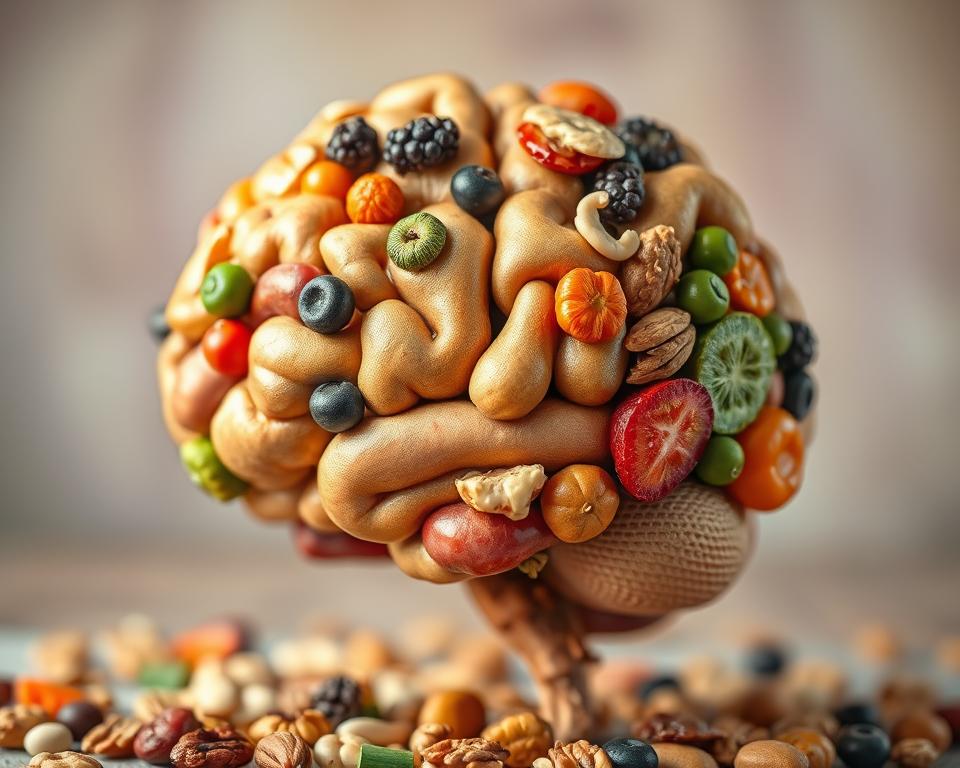
Recent work is mapping how complex brain connections predict when you will want specific yiyecek or substances. Yale investigators used machine learning on functional connectivity during guided imagery to forecast self‑reported levels across groups.
The model, led by author Kathleen Garrison and senior author Dustin Scheinost, identified a distributed network spanning many regions. It predicted reports in adults with alcohol or cocaine use disorders, people with obesity, and non‑addicted adolescents and adults.
- Treatment could become more tailored—connectivity patterns may flag who responds to an approach.
- The same network worked across different experiences, linking food and other substances.
- Measuring network levels over time could show whether strategies are helping individuals.
| Finding | Implication | Who it covered |
|---|---|---|
| Distributed network | Multi-target approaches needed | Adults and adolescents |
| Predicts self-report | Potential biomarker for progress | Those with addiction and obesity |
| Imagined contexts shift connectivity | Behavioral practice can change patterns | Non‑addicted adults |
In short, this line of araştırma gives cautious optimism: a reproducible brain marker may soon help guide treatment and complement the behavioral tools you can use now.
Food environment and advertising: external cues that drive your eating behavior
Your surroundings and the ads you see shape what you reach for more than you may notice. Snack food advertising in the U.S. tops $10 billion a year and often promotes chips, ice cream, soda, candy, and fast food.
Brief exposures—a 30‑second TV spot or a social media reel—can trigger an immediate want. Kids who see ads, even on educational sites, tend to pick and eat more of the advertised items.
Office candy bowls, checkout displays, and autoplay videos act as constant cues. Your brain pays attention to repeated images, which raises the salience of those foods and nudges your behaviors without much thought.
- Swap visible treats for prepped produce or water on your desk to set pro‑health defaults.
- Limit late‑night scrolling or block food‑heavy ads during vulnerable hours to reduce temptation.
- Recognize emotional windows: stress or low mood amplifies cue power, so plan a short alternative activity.
| Trigger | Common types | Typical effect |
|---|---|---|
| Media ads | TV, social reels, banners | Higher preference and intake |
| Workplace cues | Candy bowls, shared snacks | Unplanned snacking |
| Repeated images | Product photos, snack shots | Greater salience in the brain |
Sonuç olarak: small environment shifts quiet the noise and help you protect your health without strict bans.
Stress, sleep, and activity: lifestyle factors that modulate your desire to eat
How you handle daily stress, get rest, and fit movement into your day shapes appetite and which food feel most tempting.
Chronic stress and comfort food pulls
Long-term stress raises cortisol, lowers reward responses, and often increases ghrelin. That mix nudges you toward high-fat, salty, and sugary food.
Pratik ipucu: spot high-risk windows and use short nonfood relief—deep breaths or a five-minute walk—before hunger wins.
Short nights and late‑night urges
Poor sleep disrupts leptin and ghrelin balance. You feel more hunger and stronger cravings for calorie-dense options late at night.
Protect wind-down routines: consistent bedtimes, dim screens, and a protein-rich evening snack help reduce after-hours eating.
Activity, intensity, and appetite timing
Exercise can lower ghrelin and raise satiety hormones. Tough, longer workouts often blunt appetite for a while.
Gentle walks help reset your mind without triggering rebound hunger. Plan meals and workouts by time to manage energy and appetite better.
- Connect chronic stress to stronger pulls for comfort food and why it repeats.
- Use sleep and routine to cut late-night snacking chances.
- Match activity intensity to your goals: high effort can suppress appetite short-term; steady movement steadies patterns long-term.
| Factor | Typical hormonal change | Usual effect on food |
|---|---|---|
| Stress | ↑Cortisol, ↑Ghrelin | More seeking of fatty/sugary food |
| Sleep loss | ↓Leptin, ↑Ghrelin | Higher hunger and late‑night eating |
| Exercise | ↓Ghrelin, ↑GLP‑1 | Short-term appetite drop; long-term regulation |
Hormones, medications, and individual differences across adults
Hormones and medications can shift your hunger and what type of food feels satisfying from week to week. Small changes in estrogen and progesterone across the menstrual cycle alter fullness and desire. Low estrogen with higher progesterone often means stronger sweets and comfort food urges and less satisfaction after eating.
Higher estrogen tends to lower ghrelin and boost fullness signals like CCK. That often steadies appetite and eases type‑specific wants during certain cycle phases.
Certain treatments and substances may raise appetite. Antidepressants such as sertraline, mirtazapine, and paroxetine, plus antipsychotics like quetiapine or aripiprazole, can increase weight by changing neurotransmission. Steroids such as prednisone may induce leptin resistance and persistent hunger.
- Track patterns around dose changes and cycle days.
- Buffer shifts with higher protein, more fiber, and regular meal timing.
- Discuss alternatives with your clinician if a substance noticeably alters appetite or weight.
| Factor | Typical effect | What to watch |
|---|---|---|
| Low estrogen (luteal) | ↑ Specific food wanting, ↓ satisfaction | More sweets; plan higher‑protein meals |
| SSRIs / mirtazapine | ↑ Appetite, possible weight gain | Track intake, consider timing and protein |
| Antipsychotics | ↑ Caloric intake via altered reward | Monitor weight; discuss alternatives |
| Steroids (prednisone) | Persistent hunger; hormonal resistance | Short-term plans; consult prescriber |
From personal experience to population health: what the trends mean in the United States
Your everyday choices add up to national patterns in obesity and energy balance. Environments rich in ads and easy access to ultraprocessed food shape what people prefer and how many calories they eat.
Advertising and cue exposure raise intake across ages. Children see food promos on TV, social platforms, games, and even some learning sites. That early exposure nudges lifelong behaviors and raises preferences for highly processed foods.
Alcohol marketing often overlaps with food cues during social time. When alcohol ads run alongside snack promotions, adults report higher intake and weaker control in social settings.
Where community design matters
Some neighborhoods face heavier cue loads and fewer supports for healthy choices. Workplaces and schools with vending machines or candy bowls increase unplanned eating and tilt energy balance toward gain.
- You can connect your lived experience to larger obesity trends and local policy choices.
- Structured diet programs that cut cue contact have reduced desires in U.S. adults within weeks.
- Author voices across reports call for healthier defaults that keep choice but make the better option easier.
| Level | Common drivers | Population effects |
|---|---|---|
| Individual | Media exposure, workplace cues | Higher intake of ultraprocessed food; weight gain risk |
| Community | Retail density, advertising saturation | Regional differences in diet and obesity rates |
| Policy | School meal standards, ad restrictions | Potential to reduce unhealthy cues and improve health |
Sonuç olarak: small policy and design changes can scale. Advocate for healthier defaults at work, school, and in local media so individuals find it easier to protect their health and energy balance.
Translating the evidence into action: practical ways to reshape your craving responses
Small, consistent changes to what you see and do can shift how you respond to tempting foods. Start by changing your inputs: mute or unfollow food‑centric accounts and move snacks out of sight at work and home.
Design your cues: limit exposure to ads and food‑centric media
Reduce automatic pulls by detouring from snack aisles, skipping late-night feeds, and making healthier defaults visible on counters.
Extinguish triggers: pair vulnerable times with alternative routines
When a habitual moment arrives, replace it with a short walk, a podcast, or a quick breathing break. Try a 5–7 minute delay; most urges peak and fade.
Choose foods that blunt rebound: protein, fiber, and minimally processed options
Build plates around protein and fiber to steady appetite and lower later urges. Swap a soda for tea at 3 p.m. or an audiobook at 9 p.m. as a concrete example.
- Design inputs: hide tempting foods and set pro‑health visuals.
- Replace routines: pair risk times with nonfood activities to weaken old links.
- Pick satisfying foods: minimally processed options with protein and fiber reduce rebound.
- Track and tweak: log patterns for a couple of weeks to find what changes your levels most.
| Aksiyon | Neden faydalı? | Örnek |
|---|---|---|
| Mute feeds | Fewer cues lower automatic wanting | Unfollow snack pages; curate your feed |
| Delay 5–7 minutes | Urgers often fall fast | Breathe, walk, or play a song |
| Protein + fiber | Steadier fullness and less rebound | Greek yogurt + berries or lentil salad |
Basit tutun: change the environment first, then build skills. Tailor steps for other individuals in your home so everyone has easy wins. Small habits add up and make healthier eating feel automatic most days.
Çözüm
Ultimately, simple changes in your routine and environment reshape how your brain responds to tempting foods.
You learned that short-term bans often raise specific cravings, while steady changes in energy and routine help the brain unlearn old links. Hormones and reward circuits—dopamine, ghrelin, leptin, GLP‑1, and cortisol—shape desire, and lifestyle factors like sleep Ve stress alter those signals.
Limit cue exposure, swap vulnerable moments for brief alternatives, and pick meals higher in protein and fiber to blunt rebound. Tweak your surroundings so healthier choices become the default and avoid rigid bans that can backfire.
Keep practicing: small, repeatable steps lower urges over time, protect your energy balance, and make lasting gains in eating and health.