Anúncios
What does texture mean in everyday cooking? It’s the crisp bite of a roasted carrot, the chew of a seared steak, the creaminess of a blended soup, or the juiciness of a tomato. These contrasts make your meals feel like they belong in a restaurant.
You’ll learn simple, practical methods you can use right now: smart knife work, heat control, quick marination, basic fermentation, and clever sauces and layering. I’ll show how each move builds better textures consistently.
Why this matters: your brain mixes taste, smell, mouthfeel, temperature, and sound into one eating experience. So texture isn’t extra — it is part of flavor and quality.
This guide starts with the why, then gives a clear map of textures, covers mechanical, thermal, chemical and biological approaches, and ends with layering and sauce moves you can use tonight.
No fancy gear needed: a good knife, a sheet pan, your stovetop, basic bowls, and pantry staples are enough to upgrade a dish fast. Try creamy soup with crunchy croutons to feel the change.
Anúncios
Key takeaways: Simple tools + small contrasts = big improvement; texture shapes taste; you can apply these methods tonight.
Why Texture Changes How You Taste (and Remember) Food
What you call flavor is actually a mix of smell, mouthfeel, temperature, and even the sound of a crunch. Your brain blends these signals so one bite can feel rich, fresh, or comforting.
How your brain combines smell, feel, heat, and sound
Research points to a core flavor network in the insula, OFC, and ACC. That network explains why changing mouthfeel alters perceived taste even when ingredients don’t change.
Anúncios
Why contrast prevents palate fatigue
If every bite is the same, your attention drops. Alternate creamy, crisp, and juicy elements and your brain stays engaged. This hunger for variety keeps meals interesting and boosts overall satisfaction.
How the “right” mouthfeel boosts comfort
Comfort often comes from familiar feels: silky soups soothe, a crisp snap feels bright. Temperature shifts—warm crust and cool center—make details memorable.
“Changing one element of mouthfeel can make a dish feel new to the brain.”
| Contrast | Example | Effect |
|---|---|---|
| Crisp + Silky | Crème brûlée | Memorable, high satisfaction |
| Crunch + Cream | Cannoli | Evokes comfort and novelty |
| Smooth + Chewy | Bubble tea | Playful, keeps attention |
Once you can name the missing element, you can fix a dish with one intentional move. For more on how sound and feel change what you eat, see why loud food tastes better.
Build Better Contrast: The Simple Texture Map for Any Dish
A simple map helps you mix creamy, crunchy, chewy, and juicy elements so every forkful surprises the palate.
Start by choosing a base: something soft or creamy that carries flavor. Add a main body that is tender or slightly chewy. Finish with a top note that gives a bright snap or crunch.
Pair creamy, crunchy, chewy, and juicy elements in one bite
Build the “one perfect bite” by combining creamy + crunchy + chewy + juicy. For example, creamy beans with crisp onions, tender chicken with toasted nuts, chewy grains with juicy tomatoes, or roasted vegetables with a bright herb finish.
Keep soft foods from feeling flat
Add a crisp finish seconds before serving: breadcrumbs, toasted seeds, or quick-fried shallots keep the crunch alive. That contrast prevents monotony and gives your meals energy.
- Swap list: too mushy → add crunch; too dry → add sauce or juiciness; too tough → slice against the grain or marinate.
- Balance matters: make sure crunchy parts stay crisp while creamy parts stay smooth until the bite.
“Contrast keeps a meal interesting — it’s not chaos, it’s balance.”
For more on how presentation supports these choices, see food presentation.
Everyday Mechanical Techniques That Transform Texture Without Gadgets
Small changes with your knife and hands can remake how each bite feels. You already own the most powerful texture tool: a sharp knife. Size and shape control how foods feel and how fast they cook.
Cutting and chopping for structure, bite, and variety
Big chunks give a hearty structure and a clear bite. Small dice makes ingredients feel tender and cohesive. Mix cuts in one bowl to make salads and bowls more interesting.
Grinding and mincing to change tenderness and cohesiveness
When you grind or mince proteins, chew reduces and binding improves. Minced meat forms softer patties, meatballs, and saucy ragu with less effort.
Smashing, shredding, and slicing thin for faster crispness
Smashed potatoes or shredded chicken expose more surface area. That creates crisp edges and helps sauces cling better.
Knife-direction basics: cut against the grain
Cutting against the grain shortens muscle fibers. That makes meat feel more tender on the plate, especially with flank, skirt, or brisket. Try slicing a steak both ways today and notice the difference.
“A small change in cut can change an entire meal’s mouthfeel.”
| Action | Result | Everyday example |
|---|---|---|
| Large chunks | Hearty structure, firm bite | Roasted vegetables in a stew |
| Small dice | Tender, cohesive mouthfeel | Vegetable mirepoix or salsa |
| Minced/grind | Softer chew, better bind for proteins | Meatballs, burger patties |
| Thin slice / smash | Faster crispness, better sauce cling | Pan-fried zucchini, smashed potatoes |
Thermal Cooking Methods for Perfect Texture (Crisp Outside, Tender Inside)
Heat is the single biggest tool you have to change how food feels and tastes. Browning creates a crisp surface while gentler heat keeps the interior soft. That basic idea underpins the most useful cooking methods at home.
Roasting and baking: brown edges, soft interior
Roasting concentrates flavor and gives browned, caramelized surfaces. Space items on the pan and don’t overcrowd; crowding traps steam and prevents crisping.
Try roasted broccoli for crisp tips and tender stems.
Boiling and steaming for predictable tenderness
Boiling and steaming break down cell walls and gelatinize starches in vegetables and grains. Taste early and stop when items are tender but not mushy.
Frying without fancy gear
Pat food dry, heat oil until it shimmers, and fry in small batches. Drain on a rack so dehydration keeps the crust crisp and the interior moist. Fries are a good test of this balance.
Searing proteins and simple temperature control
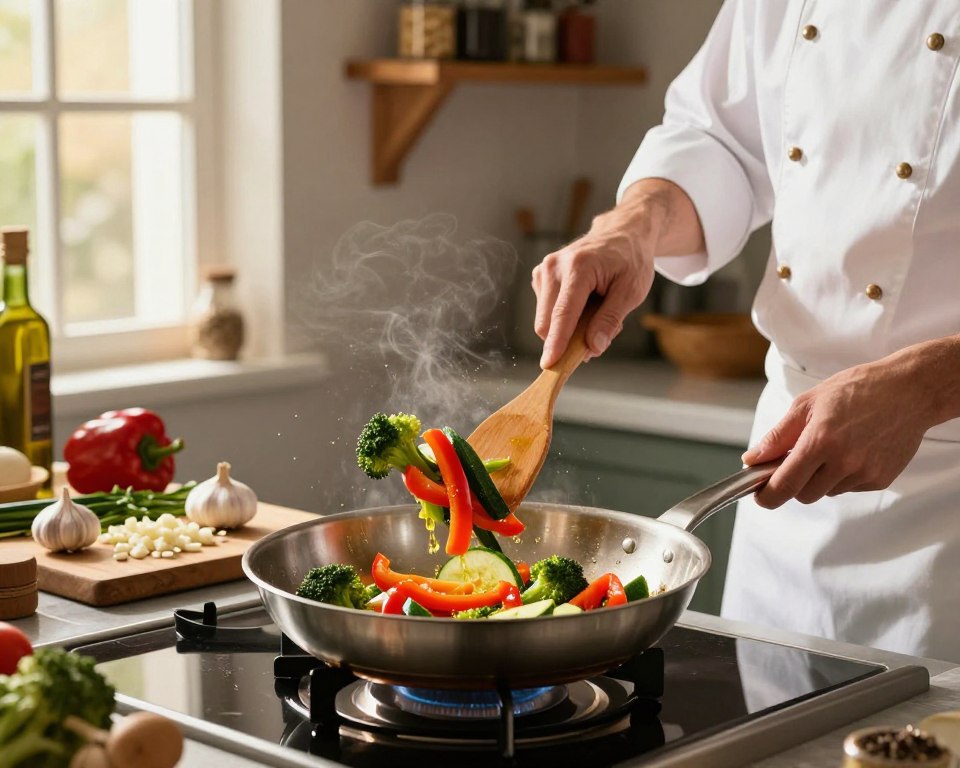
Dry the surface, preheat the pan, and resist moving the piece too soon to form a crust. Use medium heat at home, rest proteins after cooking, and account for carryover cooking to avoid overcooking the center.
“Brown the outside, respect the center, and your meals feel like a step up.”
Chemical Shortcuts for Tenderness, Crunch, and Consistency
A few pantry items—acid, salt, sugar, and leaveners—give you reliable control over mouthfeel and consistency. Think of this as simple kitchen chemistry that works without extra gear.
Marination with acids
Acidic marinades (vinegar, lemon) break down proteins and connective tissue in meat and other proteins. Use short marinades—30 minutes to 2 hours—for thin cuts to avoid a mealy finish.
Longer marinades can over-soften fibers and push a tender result into a mushy one. Salt-based brines balance this by preserving firmness while improving juiciness.
Curing and pickling for bite over time
Salt draws moisture and firms some foods; sugar and acid change consistency too. Quick pickles (onions, cucumbers, jalapeños) give a crisp snap in minutes and bright flavor for rich dishes.
For a firmer bite in meats, curing tightens structure over days. Timing is key: short cures keep a lively crunch; long cures produce denser, chewier results.
Leavening to add air and lift
Yeast, baking powder, and baking soda introduce gas that turns dense batters and breads into airy foods. Measure leaveners carefully and avoid overmixing to keep the lift intact.
“A small chemical change often fixes what heat or knives cannot.”
Troubleshooting quick guide:
- Too tough → marinate briefly or brine to relax proteins.
- Too bland or soft → quick-pickle veg for bite and brightness.
- Too heavy → add leavening and fold gently to trap air.
| Method | Main effect | Everyday use |
|---|---|---|
| Acid marination | Tenderizes proteins | Lemon + yogurt for chicken, 30–120 min |
| Salt curing / brine | Firmer, juicier consistency | Salt cure for pork belly; brine for poultry |
| Quick pickling | Adds crunch and brightness | Onions, cucumbers, jalapeños in 15–60 min |
| Leavening | Lightens and aerates | Biscuits, pancakes, quick breads |
Biological Methods: Fermentation, Dairy, and Enzymes for Smoothness and Depth
Living microbes and natural enzymes quietly reshape what you eat, turning simple ingredients into creamy, complex bites.
Fermentation that builds cream and chew
Lactic acid bacteria turn milk into smooth yogurt and help many types of cheese develop unique textures and flavor. Sourdough-like ferments add structure and chew to breads and porridges.
You can use store-bought live-culture yogurt or kefir as a base for sauces and marinades. Add small amounts of kimchi brine or cultured yogurt to boost both texture and savory depth in everyday foods.
Dairy’s role on the palate
Milk fat coats the mouth and rounds sharp edges, so a spoonful of yogurt or grated cheese softens bright bites and raises perceived quality and satisfaction.
Enzymes: powerful, brief, precise
Protease enzymes in papaya, pineapple, and kiwi tenderize tough cuts fast. Use them briefly and apply evenly. Stop the reaction by cooking once you reach the desired feel to avoid a mushy surface.
| Method | Main effect | Home use |
|---|---|---|
| Fermentation | Creamy, complex | Yogurt, sourdough, cheese |
| Dairy | Coats and rounds bites | Yogurt sauces, grated cheese |
| Enzymes | Rapid tenderizing | Papaya or commercial tenderizer, short time |
“These are living processes you can tame for better flavor and lasting satisfaction.”
Master the Layering Move to Keep Contrasts Strong
Layering is the single, chef-level move you can use at home to keep every bite distinct. Build from the bottom up so wet components don’t smear across the plate and kill the crunch. This approach protects each element and makes the meal feel intentional.
Build from the bottom up
Start with a base: a puree or warm grains. Place proteins or roasted vegetables in the middle so they sit above wet parts. Top with crisp items last.
Easy crunch add-ons
Keep a small stash of toasted nuts, toasted seeds, crispy breadcrumbs, crushed crackers, or thin toasted tortilla strips. Sprinkle them at the end so the crunch stays alive.
Pair creamy and firm components
Match a creamy sauce or yogurt with a firm component for a dynamic bite. Try yogurt sauce with roasted carrots, avocado with a grain bowl, or ricotta with blistered tomatoes.
Grains + proteins: balance and chew
Grains give chew and structure; proteins add tenderness and substance. Together they form a satisfying base that carries other elements well.
Fresh produce and herbs for lift
Add scallions, radishes, cucumbers, herbs, or citrus zest last. These bright components cut richness and add a snappy finish.
“Build base → middle → top. That order keeps everything distinct on the plate.”
Quick plate builds you can copy:
- Taco bowl: grains → spiced protein → avocado → nuts + salsa.
- Grain bowl: farro → roasted vegetables → soft cheese → seeds + herbs.
- Sheet-pan dinner: grains on the plate → roasted veg and meat → breadcrumbs and citrus zest.
Sauces and Finishing Moves That Change Mouthfeel Fast
A quick sauce or glaze can rewrite how a dish feels in a single spoonful. Sauces change coating, lubrication, and perceived richness. They can lift a plain plate into a balanced dining moment.
Thin versus thick: how coating alters perception
Thin sauces keep crisp elements lively. They flow and coat lightly so crunch survives the finish.
Thick sauces add comfort and weight. Use them sparingly on crunchy parts or add at the last second so the crisp doesn’t soften.
Purees, glazes, and emulsions with basic tools
You can make powerful sauces without a blender. Whisk a vinaigrette in a jar, whisk an emulsion with a fork, or reduce pan juices to a quick glaze.
Try yogurt sauces, pan glazes, or a mashed vegetable puree. Each changes mouthfeel and boosts flavor with minimal effort.
Application and timing that protect contrast
Application matters: smear purees with a spoon, drizzle in a controlled line, or use small dots so sauce doesn’t drown the dish.
Finish after you crisp items, garnish at the last second, and always rest proteins before slicing. Resting keeps juices in and makes the meat feel tender instead of dry.
| Action | Effect | Quick example |
|---|---|---|
| Thin drizzle | Light coating, preserves crisp | Herb vinaigrette on fried fish |
| Thick glaze | Adds richness, can soften crunch if early | Honey-pan glaze on roasted carrots |
| Smear/dots | Controlled application, better presentation | Beet puree smear with dollops of yogurt |
| Rest before slicing | Retains juices, improves tenderness | Rest steak 5–10 minutes before cutting |
“A little finish goes a long way — think light, deliberate, and timed.”
Conclusion
Controlling how foods feel lets you shape every dining moment without extra gear.
When you manage texture, you steer how a meal tastes and how memorable a dish becomes. Use simple paths: smart cuts, heat choices, pantry chemistry, and short ferments to fix common problems fast.
Follow the quick map: base + main + finish. Protect crisp tops, keep creamy centers, and layer bright elements so each bite has contrast.
Try this next meal challenge: pick a dish you cook often and add one deliberate element — toasted nuts, a quick pickle, a better sear, or a creamy smear.
Great results come from habits—dry surfaces, don’t crowd the pan, rest proteins, and finish with fresh crunch. Those moves beat expensive tools every time.