Anúncios
Even when you feel fine, small gaps in your diet can add up. Many nutrients your body needs in tiny amounts are vital for growth, metabolism, and long-term health. A slow-building deficiency may not show obvious signs, which is why experts call it hidden hunger.
You’ll learn why micronutrient deficiencies matter and how easy it is to miss them in a busy life. I’ll preview common shortfalls like iron, vitamin D, and zinc, and explain how these gaps can quietly affect energy, immunity, and mood.
In plain language: micronutrients are vitamins and minerals you need in small amounts. Macronutrients are the bigger parts of your diet — protein, carbs, and fat. Knowing the difference helps you spot overlooked food choices that deliver big benefits.
This article focuses on simple, realistic upgrades you can add today without a perfect diet or costly products. You’ll see the most ignored categories — beans and pulses, whole grains, seeds, canned fish, herbs and spices, and fortified items — and get clear, practical tips.
This is informational, not medical advice. Symptoms and needs vary by person, age, and health. Talk to your provider if you suspect a deficiency.
Anúncios
Hidden hunger: why you can feel “fine” and still be missing key nutrients
It’s possible to feel okay while your diet quietly misses key vitamins and minerals. That pattern is often called hidden hunger — enough calories to function, but not enough tiny nutrients to support what your body constantly builds and repairs.
What small nutrients do for metabolism, growth, and development
These small players power energy production, carry oxygen, help immune defense, and support brain and physical development.
Why deficiencies aren’t always visible (and what that means for your health)
Your system often compensates by drawing on stores. That keeps you working but masks early signs. Over months or years, low levels can slow recovery, lower immune resilience, and raise risk for metabolic changes.
Anúncios
- Everyday view: you may feel fine, but subtle loss of stamina or focus can signal a shortfall.
- Real-world consequences: slower healing, weaker defenses, and higher long-term chronic risk.
- Global context: the World Health Organization promotes fortification as one proven public health tool.
| Function | Example | Outcome if low |
|---|---|---|
| Energy & metabolism | B vitamins | Fatigue, poor stamina |
| Oxygen transport | Iron | Anemia, weakness |
| Immune & repair | Vitamin D, zinc | Slower recovery |
| Growth & cognition | Folate, iodine | Impaired development |
Next, you’ll get food-first, practical steps and guidance on when testing or supplements might make sense.
Micronutrient deficiencies aren’t just a global issue—many people in the United States are at risk
Even in the United States, diet patterns leave many people short on key nutrients. National surveys connect global concerns to local reality so you don’t assume this is only a problem in other countries.
What NHANES data suggests about risk in the US population
NHANES analyses estimate about 31% of the US population is at risk of one or more nutrient shortfalls. Being “at risk” means blood levels or dietary patterns suggest low status, even if you feel fine.
How Western-style diets drive shortfalls
Western-type diets are often high in calories but low in nutrient density. Many processed items pack energy without the vitamins and plant compounds your body needs.
Why fruit and vegetable intake matters
A CDC/MMWR analysis shows only about 1 in 10 adults meets recommended fruit and vegetable intake. That gap removes easy ways to get vitamins, minerals, and phytonutrients you can’t easily make up with refined staples.
| Issue | US data point | Practical meaning |
|---|---|---|
| At-risk population | 31% (NHANES) | Many people may lack one or more vitamins/minerals |
| Fruit & vegetable intake | ~10% meet recommendations | Low intake reduces vitamin and phytonutrient variety |
| Diet pattern | High-calorie, low-nutrient | Full stomach but low nutrient density |
You’re not failing if your meals skip produce often. The food environment makes it easy. Next, learn who faces higher risk and why your needs may differ.
Who’s most at risk for low nutrient levels (and why your needs may be higher)
Life stage, health, and medication can change how much your body needs. When demand rises, a diet that felt “good enough” may leave your levels low.
If you’re pregnant, trying to conceive, or breastfeeding
When you’re pregnant or breastfeeding, your need for iron, folate, calcium, and B vitamins climbs. Even small shortfalls can affect fetal growth or milk quality.
If you’re raising children or teens during rapid development windows
Children and teens need more energy and certain vitamins and minerals during growth spurts. Picky eating can raise risk for low levels of iron, zinc, and B12.
If you’re on a restrictive diet or dealing with food insecurity
Vegan, highly selective, or low-variety eating can miss key nutrients like B12, calcium, and zinc. Limited food access raises the same risk on a budget.
If you’re older or managing chronic conditions
Aging and many chronic diseases change absorption and appetite. Older adults often need more vitamin D, magnesium, and B12.
If you take long-term medications that affect absorption
Some common drugs can lower levels of potassium, magnesium, or B vitamins. Mention medications to your clinician so you can check and correct gaps.
- Quick tip: get routine labs if you have any of these risk factors.
- Small wins: modest diet changes or targeted testing often solve low levels.
Micronutrients people commonly fall short on—and what those deficiencies can do
Certain shortfalls crop up again and again in U.S. diets, and they have clear, fixable consequences.
Iron and iron deficiency: Iron deficiency is the leading cause of anemia. When iron runs low, you can feel tired, less productive, and slower to recover after exercise. Women face higher risk because of menstrual loss and pregnancy demands. Treating low iron often improves daily energy and work performance.
Slow-burn shortfalls that add up
Vitamin D, calcium, potassium, and magnesium are often under-consumed for years. Low vitamin D and calcium affect bone health over time. Low potassium and magnesium link to higher cardiometabolic strain in research, and magnesium is tied to long-term heart and metabolic outcomes.
Key players for growth, immunity, and vision
Iodine, zinc, folate, and vitamin A support brain development, immune readiness, and eyesight. Iodine deficiency remains a preventable cause of impaired development; zinc helps DNA and protein production; vitamin A supports vision and embryo development.
“Small, common deficiencies can change how you feel and function — but routine food changes often fix them.”
| Nutrient | Common outcome if low | Who’s at higher risk | Practical note |
|---|---|---|---|
| Iron | Anemia, fatigue, lower productivity | Women of reproductive age, pregnant people | Check labs if tired despite rest |
| Vitamin D & Calcium | Weaker bones, low immunity | Older adults, low sun exposure | Include fortified foods or testing |
| Magnesium & Potassium | Cardiometabolic risk, low energy | People on restricted diets | Whole grains, nuts, and produce help |
| Iodine, Zinc, Folate, Vitamin A | Developmental, immune, vision effects | Pregnant people, children, low-variety diets | Iodized salt and varied foods reduce risk |
What this means for you: aim for variety, add a few fortified options, and test if you have persistent symptoms. For population-level context and data, see global deficiency data.
Micronutrient hidden sources you probably aren’t using enough
A few pantry and fridge staples can quietly lift your nutrition. Use easy swaps and simple pairings to add iron, zinc, vitamin D, and vitamin A without major meal changes.
Beans and pulses: iron, zinc, folate
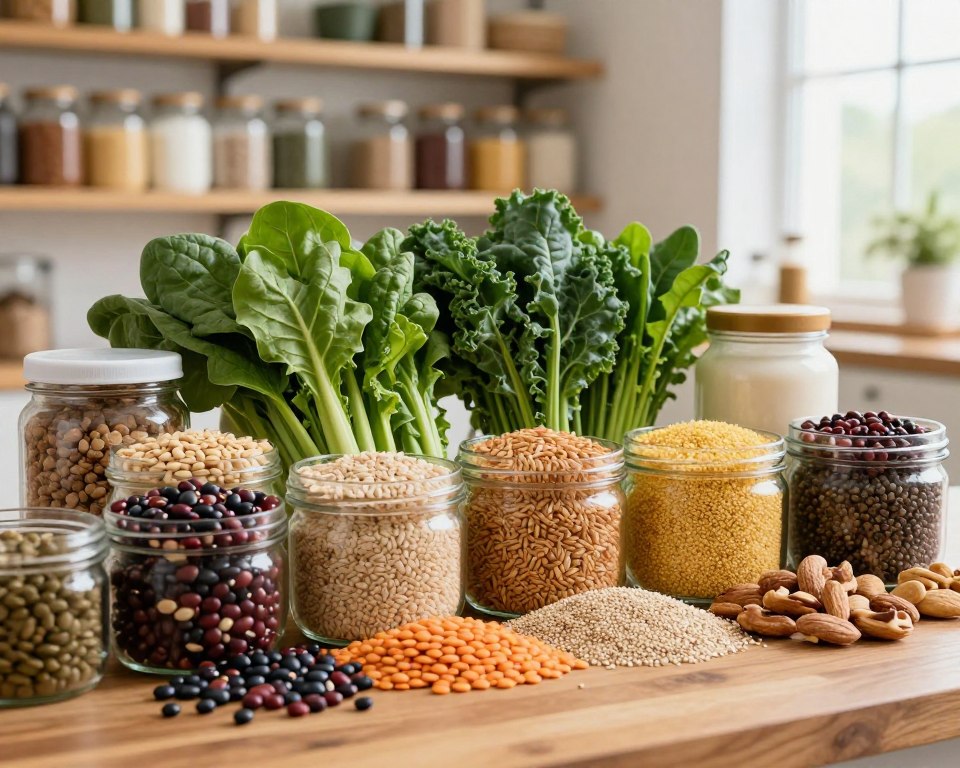
Beans, lentils, and chickpeas store well and boost iron and folate. Try canned beans in salads, hummus on toast, or lentil chili for taco bowls.
Whole grains, nuts, and seeds: magnesium and zinc
Swap oatmeal for pastry, mix brown rice with quinoa, and sprinkle pumpkin or sesame seeds on soups to add magnesium and zinc.
Canned fish and seafood: vitamin D and minerals
Sardines, salmon, and tuna are budget-friendly ways to raise vitamin D and iodine when fresh fish isn’t an option.
Eggs, dairy, and colorful produce
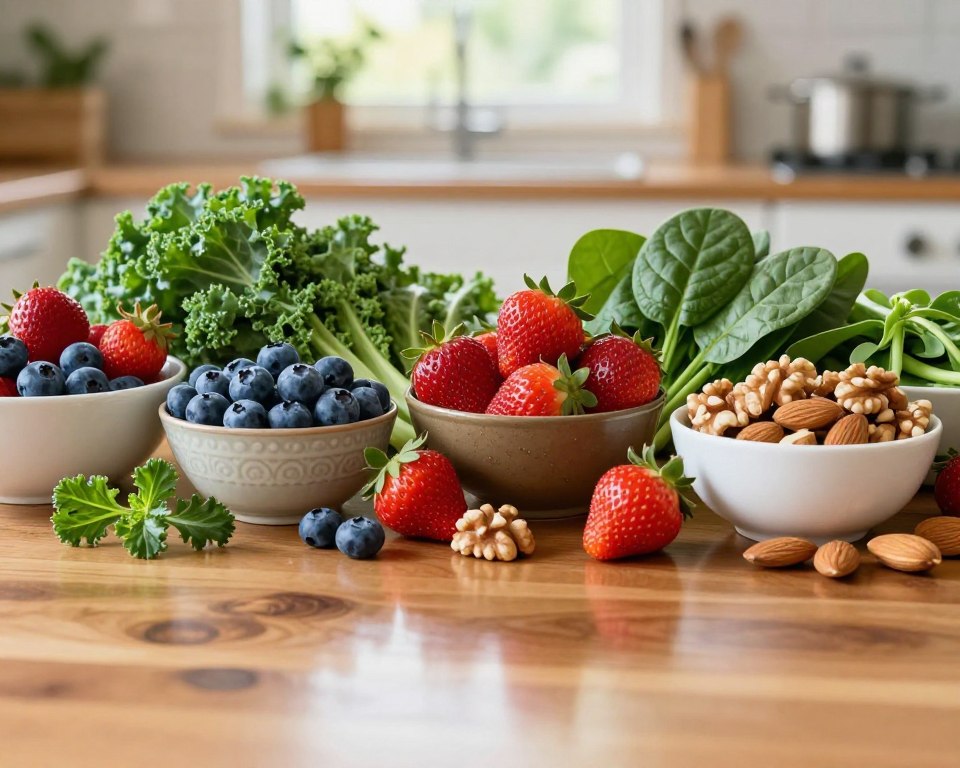
Eggs and yogurt add B vitamins and vitamin A. Use spinach in scrambled eggs and add orange produce—sweet potato or carrots—so color cues your choices.
Flavor boosters and fortified items
Herbs, cocoa, tea, and apples give flavonoids linked in research to lower blood pressure. Read labels for iron, folic acid, vitamin D, or iodine on fortified foods.
- Quick checklist: canned beans, rolled oats, pumpkin seeds, canned salmon, eggs, plain yogurt, dark chocolate or tea, fortified milk.
Getting more from what you eat: absorption, bioavailability, and common blockers
How well your body uses nutrients can matter more than what’s on your plate. Bioavailability means not just what’s in your food, but what your body actually absorbs and uses.
Why iron from animal foods absorbs differently than iron from plant foods
Iron comes in two forms. Heme iron from meat and fish absorbs easily. Non-heme iron from plants needs help to enter your system.
If you follow plant-forward diets, pair iron-rich beans, lentils, or spinach with vitamin C foods like bell pepper or orange to boost uptake.
How gut health and food combinations influence uptake
Your gut and overall diet pattern change how well you absorb vitamins and minerals. Ongoing digestive symptoms can lower your levels over time.
Drug-nutrient interactions to know
Some medicines alter absorption. Ask about interactions with magnesium, calcium, B vitamins (B12/folate), potassium, and zinc.
- Simple rule: space certain supplements from meals and add vitamin C with plant iron.
- Goal: improve your net nutrition from the foods you already buy, not add complex rules.
Smart strategies to prevent deficiencies without overcomplicating your diet
A few weekly habits let you cover common gaps without counting calories or buying expensive products. Start by aiming for variety and small repeats so your plate naturally delivers more vitamins and minerals.
Build dietary diversity first: a simple “mix and match” weekly template
Mix and match template: rotate one animal protein (eggs, canned salmon), two plant proteins (beans, lentils), and two whole grains (oats, brown rice) across the week.
Include 3 different vegetables and 2 fruits over several meals. This low-effort pattern raises intake of iron, B vitamins, vitamin A, and magnesium without strict rules.
When supplements make sense vs. when food is enough
Use food-first strategies when you can. Choose supplements for documented deficiency or higher needs—pregnancy folate, low vitamin D by lab test, or B12 for strict vegan diets.
Tip: talk to your clinician before starting long-term supplements so you target true deficiencies, not guesswork.
Fortification and biofortification: how these interventions help populations
Fortification—like iodized salt or fortified milk—helps whole countries reduce common deficiencies affordably.
Biofortification boosts nutrient content during crop growth. Current research includes B12-enriched pea shoots and vitamin D–enhanced tomatoes. These strategies help where varied diets aren’t feasible.
When to talk to a clinician about testing and personalized planning
See a clinician if you have persistent fatigue, pregnancy plans, restrictive diets, digestive issues, or long-term medications that may affect intake.
“Testing and targeted advice turn vague worry into clear action.”
- Appointment prep: list your typical meals, supplements, and medications.
- Note symptoms and specific deficiencies you suspect (iron, D, B12, etc.).
- Ask which labs make sense and whether short-term supplementation is recommended.
Conclusion
Small, consistent food swaps can close common gaps without overhauling your whole routine. Micronutrients matter even when you feel fine, so simple additions — beans, whole grains, canned fish, leafy greens, and fortified staples — pay off fast.
Remember the U.S. context: NHANES suggests ~31% of the population is at risk of at least one deficiency, and only about 1 in 10 adults meet fruit and vegetable recommendations. Use that data as motivation, not judgment.
Prioritize children, teens, women (especially pregnant women), and older adults when you plan. Try a one-week test: add one bean meal, swap one refined grain for a whole grain, and put one leafy green or orange vegetable on your plate.
If you suspect low levels or take long-term meds, talk to your clinician. For population-level context, see this global burden review.