Anúncios
Can a simple phone tool end dinner decision fatigue and save time each week? This article examines the rise of the Meal-Prep Apps People Are Quietly Relying On and why they matter in the United States.
For many, preparing a balanced meal feels like guesswork. A good app can turn choices into a plan with shopping lists, pantry tracking, and quick recipes. Dietitian Mia Syn, RD, notes these tools streamline meal planning and track nutrition while teaching cooking tips.
The roundup compares tools by goals — time, budget, weight, and family needs — and by features like calendars and grocery integration. The focus is practical use: how an app fits into a week, not just download counts.
Expect honest feature breakdowns and expert input to guide picks. Readers will find quick weeknight planners, personalized diet tools, recipe organizers, and shopping list builders with delivery links.
Why meal-prep apps are trending in the United States right now
In the U.S., shorter evenings and tighter budgets have made digital meal planning a practical default. Busy schedules, rising grocery costs, and the daily mental load of dinner decisions create a clear demand for simple systems that save time and reduce stress.
Anúncios
How tools reduce the overwhelm of planning a full week
These tools turn a vague intention—“eat better”—into a weekly plan. Users pick recipes, generate a shopping list, and follow one streamlined routine from Monday through Sunday.
What dietitians say they do best
“Apps simplify meal prepping: choose recipes, build shopping lists, and track nutrition,” says Mia Syn, RD.
Erin Palinski-Wade, RD, CDCES adds that customization for allergies and goals keeps plans realistic and usable.
Anúncios
How meal planning supports healthier family choices
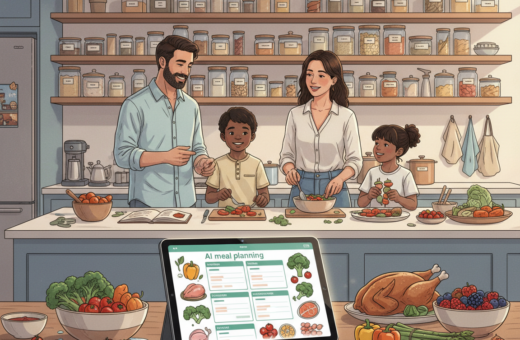
A December 2018 JMIR mHealth uHealth study found these tools can help individuals and entire families make healthier food decisions. Families report fewer late-night takeout orders and easier coordination via shared calendars.
- Save time: one repeatable system each week.
- Reduce stress: fewer last-minute choices.
- Improve follow-through: clear steps from recipe to cart.
What “meal prep” and “meal planning” really mean in daily life
A small weekly ritual can turn chaotic dinners into calm, predictable evenings. When someone spends a short block of time deciding menus, they cut down daily stress and make home cooking easier.
Planning meals vs. prepping meals: how users mix both approaches
Meal planning means choosing what meals will happen in the coming days and turning that into a workable grocery list. A simple meal plan helps a household shop once and avoid last-minute choices.
Prep refers to doing basic cooking steps ahead of time: batch-cooking grains, chopping vegetables, or making a sauce. Those small actions speed up dinner without needing a full-day marathon.
Why one weekly grocery shopping trip changes the whole routine
Many users blend planning and prep: they build weekly meal plans, then prep only what matters—one sauce, two proteins, and pre-cut vegetables. This balance makes weeknights feel manageable.
- Pick recipes, schedule them: map dinners to the calendar.
- Generate a list: shop once and save time.
- Prep lightly: finish cooking faster each day.
“Small wins—one sauce or pre-cut veg—beat an all-or-nothing approach.”
Benefits people get from meal plans, recipes, and shopping lists
A short weekly decision cuts the daily debate over what’s for dinner. That simple choice saves time after a long day of work and gives evenings more breathing room.
Saving time on busy workdays with faster decision-making
When dinners are set, families spend minutes cooking instead of debating. Built-in recipes and a consolidated shopping list turn planning into a fast routine. This reduces small daily frictions and creates repeatable habits.
Saving money with budget-friendly plans and fewer impulse buys
Planned lists discourage impulse purchases. A clear list helps reuse ingredients across meals, stretching a tight budget.
Reducing food waste with pantry tracking and expiration reminders
Tools that track the pantry cut duplicate buys and surface items nearing their expiration. Cooklist, for example, monitors fridge, freezer, and pantry dates and suggests what to use first.
“Consistency—not perfection—delivers the biggest benefit: a system you can keep week after week.”
- Less decision fatigue: dinners arrive as planned.
- Repeatable recipes: fast, familiar cooking flows.
- Less waste: track ingredients and use what’s on hand.
How to choose the right meal planning app based on goals
Choosing the right planning app starts with one clear question: what problem should it solve first?
Dietitians suggest listing priorities — lose weight, save time, cut grocery costs, or coordinate family meals — then finding an app that matches those needs.
Weight-focused tools
For weight goals, select an app with calorie targets and macro tracking. Nutrition logging, barcode scanners, and food databases help track progress toward “lose” or “maintain” aims.
Time-focused tools
If evenings are tight, look for recipes that take under minutes and features that simplify batch-prep. Step-by-step instructions and hands-off timers speed weeknight cooking.
Budget-focused tools
Choose a planning app that lets users input ingredient prices and build cost-aware lists. Controlling quantities and avoiding extras keeps the budget on track and reduces waste.
Family-focused tools
For households, prioritize shared calendar syncing, adjustable servings, and recipes that handle mixed dietary preferences. Flexibility for picky eaters matters.
“Outline one priority first, then test a couple of apps until one feels simple to use,” says a registered dietitian.
- Selection framework: pick by goal — weight, time, budget, or family.
- Weight: calorie and macro tracking with easy logging.
- Time: quick recipes and batch-prep flow.
- Budget: ingredient pricing and list control.
Try two options for a week each and keep the one that makes weekly planning feel easiest. Small experiments reduce stress and help form lasting plans for healthier, faster meals.
Features that matter most in a meal prepping app
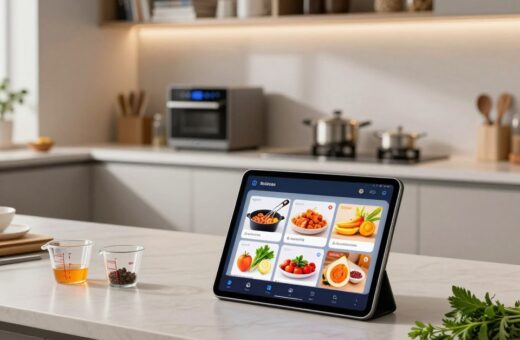
Good tools turn scattered dinner ideas into a clear, usable plan each week. Users should look for a compact set of features that cut scrolling and create action: pick a recipe, build a list, and schedule it on a calendar.
Personalization for dietary preferences, allergies, and dislikes
Personalization should filter recipes by allergies, dislikes, and diet styles. That saves time and prevents unusable suggestions.
Recipe access and importing from the web
Some tools include built-in recipe libraries. Others let users import and organize recipe URLs. Both styles work; choose what fits the user’s habits.
Calendar planning for day-by-day meals and weekly plans
Calendar planning bridges ideas and action. Day-by-day scheduling makes the week predictable and reduces last-minute changes.
Grocery list builders that match store aisles and reduce backtracking
Reliable grocery list builders group items by aisle to speed trips. Paprika-style categories reduce back-and-forth and cut shopping time.
Pantry management tools that track ingredients you already have
Pantry tracking saves money and reduces waste. When an app knows existing ingredients, it suggests recipes that use what’s on hand.
- Non-negotiables: personalization, recipe workflows, and reliable grocery lists.
- Look for pantry sync or a digital pantry (PlateJoy offers this).
- Choose an app that balances built-in recipes with easy importing.
Meal-Prep Apps People Are Quietly Relying On for everyday healthy eating
A growing set of well-rated tools now make weekday cooking predictable and low-stress. The list below favors apps with clear planning, recipe organization, list building, and pantry tracking for typical U.S. households.
- PlateJoy — Personalization-first, digital pantry, optional grocery delivery; subscription with discounts for longer terms.
- Mealime — Busy weeknight pick: quick recipes, adjustable servings, and shopping lists that import to Instacart or Amazon Fresh.
- Eat This Much — Automates meal plans from budget and schedule, with calorie tools and a barcode scanner for nutritional information.
- Paprika — Recipe manager that saves any URL, offers aisle-sorted grocery lists, and interactive cooking timers.
- MealPrepPro — Goal-based plans, macro-aware guidance, and new weekly original recipes for structured prep.
- Plan to Eat — Clip any recipe URL, generate a meal plan, and share it with family or friends.
- MyFitnessPal & Lose It! — Tracking-forward choices that pair inspiration with calorie and macro tracking for weight goals.
- MealBoard, Whisk, Cooklist — Utility picks: calendar drag-and-drop, shoppable lists, and pantry/freezer tracking to cut waste and track a household budget.
“Pick the tool that matches the one or two problems you want solved each week.”
Best apps for fast weeknight meals in under 30 minutes
A true fast-dinner workflow cuts steps so a cooked meal appears in about half an hour. That means picking a recipe, generating a shopping list, and following clear, step-by-step prompts without extra hunting.
Mealime’s promise: quick recipes, step-by-step cooking, and hands-free mode
Mealime centers on speed. Its recipes are designed for roughly 30 minutes of hands-on work. The app guides cooks through each step and offers a hands-free mode that keeps directions visible while they cook.
The workflow makes the “fast dinner” promise concrete: choose a recipe, auto-build a shopping list, and follow timed steps that reduce guesswork. That flow saves time and keeps weeknights simple.
When the paid version matters for substitutions and nutritional information
The free tier covers basics, but the paid version (Mealime Pro) unlocks useful extras. Pro adds substitution options and detailed nutritional information that speed decisions for picky eaters or nutrition goals.
If someone needs swaps for allergies or wants calorie and macro data, the upgrade can cut time spent searching alternatives. For many, the best meal planning app for weeknights is the one that removes small frictions, not merely one with a huge library.
- Quick workflow: pick, list, cook.
- Hands-free mode: follow steps without tapping.
- Pro benefits: substitutions and nutrition details.
Best apps for highly personalized meal plans and diet preferences
Highly personalized meal plans turn a generic recipe list into a weekly roadmap that fits real life.
Eat This Much: calorie, budget, and schedule-driven planning
Eat This Much builds a full plan from food preferences, budget limits, and a user’s weekly schedule.
It includes a calorie calculator and a barcode scanner to match real foods to targets. Enter constraints and the tool drafts meals and a grocery list automatically.
PlateJoy: deep dietary customization and pantry-aware suggestions
PlateJoy focuses on dietary needs and personalization. It learns dislikes and allergy limits and uses a digital pantry to suggest recipes from what is already at home.
This reduces cost and food waste while keeping the plan aligned with the household’s habits.
MealPrepPro: structured prep, meals per week, and diet styles
MealPrepPro asks about prep level and number of meals per week to shape realistic routines.
It suggests daily calories, tracks macros, and adds fresh recipes weekly for users seeking structured prep and clear diet guidance.
“Personalization should include calories, schedule, budget, and dislikes so the plan works even on busy days.”
- Beyond filters: true personalization adapts to calories, timing, cost, and dislikes.
- Try one realistic week: test each tool during a normal week before subscribing.
- Outcomes: better weight control, fewer off-plan meals, and less midweek stress.
Best apps for shopping lists, grocery lists, and grocery delivery integrations
A clean, well-organized list is often the difference between a plan that works and one that flops. The right tools turn chosen recipes into a usable shopping list and, when needed, a ready-to-order cart.
Delivery-friendly options
Mealime exports shopping lists directly to Instacart or Amazon Fresh. PlateJoy offers optional grocery delivery to reduce errands. Those flows save time on busy weeks.
Send-to-retailer convenience
eMeals-style convenience lets users send grocery lists to major U.S. retailers like Amazon, Walmart, Kroger, Instacart, or Shipt. That feature works well for households that prefer delivery or curbside pickup.
Faster in-store trips
Paprika sorts items into supermarket aisle categories so shoppers move through stores faster and avoid backtracking.
- Why list quality matters: prevents missed ingredients and duplicate buys.
- Practical tips: look for consolidation, quantity scaling by servings, and easy check-off while shopping.
- Use delivery as needed: it saves time but is optional for weeks when someone prefers in-store.
“A clean grocery list prevents missed ingredients and duplicate buys.”
Best apps for nutrition tracking, weight goals, and macros
A reliable tracker helps users see how each meal fits their bigger goals. Tracking-first tools work best for people with medical targets or clear weight objectives who need daily visibility.
MyFitnessPal for all-day logging and meal inspiration
MyFitnessPal excels at all-day logging. It makes it easy to track intake, find recipe ideas, and link meals to energy and habits.
Lose It! for weight targets and macro focus
Lose It! centers on calorie counting and macros. Its premium version adds customizable goals and a community for support. Premium costs about $39.99/year or $149.99 lifetime.
How nutrition tools support “lose,” “maintain,” and “eat healthy” plans
These tools turn nutritional information into actionable tradeoffs. Users can compare portions, swap ingredients, and refine a plan by watching trends.
Not everyone tracks forever. Many use these apps as training wheels during a season of focused change.
- When to pick tracking-first: if you need to track meals, monitor macros, or manage a weight goal.
- Checklist before upgrading: ease of logging, database accuracy, and whether the free version suffices.
“Tracking connects daily choices to long-term progress.”
Best apps for families who need shared planning and fewer mealtime surprises
Busy households solve most dinner snags with a single shared planning hub. Multiple schedules, varied preferences, and split errands make the “what’s for dinner?” question a daily friction point.
Plan to Eat for collaborative meal planning and shared grocery lists
Plan to Eat imports recipe URLs, builds a live grocery list, and shares meal plans across accounts. Partners can split shopping and update the list so everyone sees changes in real time.
Cozi as a full family organizer with calendar, to-dos, and meal features
Cozi blends a shared calendar, to-dos, and a communal list for groceries and chores. The recipe viewer keeps the screen lit while someone cooks, which reduces mistakes and mid-recipe searches.
Prepear for week-based plans, filters, and a smart pantry
Prepear supports 1/4/12-week plans, diet and allergy filters, and a digital pantry that avoids adding staples to the shopping list. It can also send a grocery list to Walmart from mobile for quick pickup.
- Family problem: conflicting schedules and mixed preferences make planning hard.
- Shared planning: Plan to Eat fits partners who split shopping and cooking.
- Household hub: Cozi keeps calendars, lists, and meals in one place.
- Smart shopping: Prepear’s pantry feature keeps lists accurate and cuts surprises.
“One live list means one parent can add items during the day and the other checks out with the same list at the store.”
Best apps for budget-focused planning and price-aware ingredient lists
Seeing the real cost of ingredients helps a household stick to a weekly spending limit. Budget-focused planning is not just about cheap recipes; it means cost visibility, controlled quantities, and fewer extras in the cart.
MealBoard: price-aware control and calendar execution
MealBoard lets users input ingredient prices and manage pantry items so every shopping trip supports the budget. It builds a shopping list, updates pantry stock as items are used, and supports drag-and-drop calendar planning to tie budgets to real plans.
Whisk: a strong free option for shoppable lists
Whisk offers a reliable free version with a planning calendar, tutorials, customizable recipes, shoppable lists, and basic nutrition facts. For someone who wants an app free of subscription fees, Whisk connects recipes to retailers for easy grocery and shopping flow.
- Definition: budget-focused means price visibility and fewer wasteful extras.
- Choose MealBoard: hands-on price input and pantry tracking for strict control.
- Choose Whisk: free convenience with shoppable lists and basic nutrition.
Practical tip: reuse one ingredient across several meals—like a bag of spinach—to keep costs down and reduce waste.
For a short list of cost-conscious tools and comparisons, see a roundup of the best free meal planning apps.
Best apps for recipe collectors who want to import from anywhere
Recipe collectors often drown in browser tabs and screenshots, but a dedicated importer can tame the mess. The right tool transforms scattered links into a searchable, synced recipe box ready for planning and cooking.
Paprika: a focused recipe manager with sync and cooking mode
Paprika saves recipes from the internet, syncs across devices, and turns saved entries into a full meal plan. It sorts grocery items by aisle and builds actionable lists so shopping is faster.
Its cooking mode adds timers and step check-offs so users can follow a recipe without jumping back to a web page. Note that some users report a limited free version that restricts saved recipes before a paywall appears.
Plan to Eat: clip, organize, and share a personal recipe box
Plan to Eat excels at clipping any recipe URL and organizing it into a personal system. It generates shopping lists, supports calendar scheduling, and makes sharing a planned week easy for families or roommates.
Where Paprika feels like a personal recipe database, Plan to Eat centers the weekly plan and collaboration. Collectors should check free vs paid limits so they don’t hit storage or sync paywalls unexpectedly.
“Turn hoarded links into a usable library: save, sync, plan, and cook without the clutter.”
- Why collectors need an importer: it converts scattered links into one searchable library.
- Paprika strengths: web saving, cross-device sync, aisle-sorted lists, and cooking mode.
- Plan to Eat strengths: clipping URLs, calendar planning, shopping lists, and sharing.
Free version vs paid version: what upgrades actually unlock
Upgrading from a free plan often reveals which features actually cut weekly friction. The basic free version usually lets someone test the core workflow: save recipes, make a simple plan, and try a calendar once or twice.
But many helpful conveniences sit behind paywalls. Common cutoffs include shopping lists that auto-group items, detailed nutritional information, substitution options, extra recipes, and deeper customization tools.
When a subscription saves more time than it costs
If a planning app removes errands, speeds meal prep, or stops repeat decision loops every week, a paid version can pay for itself. Use a simple rule: if the subscription saves more than the monthly cost in weekly time or reduced grocery trips, it’s worth considering.
What to test during free trials before committing
Try official trials (many offer 14–30 days) and check whether key features actually work for the household.
- List accuracy and whether shopping lists scale by servings.
- Calendar usability and repeatable plans.
- Recipe import reliability and aisle grouping.
- Access to nutritional information and substitution suggestions.
“The best version is the one someone will keep using—simplicity often beats extra features.”
How to start using a meal planning app this week without overhauling life
A tiny shift—choosing three dinners ahead—can cut evening stress and build lasting routine. Start with one app for one week and keep the work minimal. The goal is to make meal planning feel easier, not perfect.
Start with variety first, then optimize for time and grocery cost
Erin Palinski-Wade, RD, CDCES recommends one step at a time: add variety first to stay motivated. Try two new recipes alongside familiar favorites.
After the habit forms, refine the plan to save time and lower grocery bills.
Use a simple weekly rhythm: choose recipes, build the list, shop once
Pick recipes early in the week, let the tool create the grocery list, and shop once. A single shopping trip reduces friction and impulse buys.
Follow the plan day by day to keep evenings predictable.
Plan around what’s already in the pantry to cut waste
Check the pantry before adding items. Planning around existing ingredients makes grocery trips cheaper and cuts food waste.
Many tools support pantry tracking or let users mark staples to skip when building a list.
Set reminders for prep steps like thawing and batch cooking
Use reminders for high-impact prep: thaw protein, wash produce, or cook a grain. These small actions speed dinner on busy days.
“Start small: one app, one week, minimal planning to feel a difference.”
- Low-pressure start: test one week with minimal choices.
- Motivation first: add variety, then optimize for time and cost.
- Weekly rhythm: choose recipes, build the list, shop once, follow the day-by-day plan.
- Pantry-first: use what’s already on hand to lower waste and spend.
- Prep reminders: set alerts for thawing, washing, and batch-cooking.
Conclusion
The right digital routine makes dinner predictable and saves real time each week. Meal planning tools can cut stress, trim grocery costs, and support healthier food choices with clear lists and simple steps.
Choose by goal: Eat This Much for automated structure, Mealime for fast weeknights, Paprika for collectors, PlateJoy for deep personalization, and Cooklist to reduce waste. Consider delivery and list integrations if errands block progress.
Try one app for a single week and judge whether a paid version truly saves time. Consistency beats perfection — one steady plan can improve how a household shops, cooks, and eats.