Annunci
Ti sei mai chiesto why teens seem to reach for fast food more often than fresh fruit these days?
During puberty, adolescents face big physical demands. Rapid growth raises hunger and energy needs, and taste preferences shift as independence grows. This mix of development and new money can push food choices toward quick, convenient options.
You have the power to influence those choices. At home, simple moves—stocking visible healthy snacks, modeling a balanced breakfast, and making better options easy when you dine out—make a real difference. Small changes add up.
This article gives clear, practical information to help you support better nutrition without guilt or drama. You’ll learn how social life, budgets, and school settings shape habits, when to seek help for worrying signs, and how to talk about food in ways that focus on energy, mood, and performance.
What’s Driving Shifts in Youth Eating Patterns Right Now
As bodies change, so do cravings—and new freedoms steer many toward fast, familiar options. Growth and rising energy needs make adolescents more hungry, but busy days and social routines often push choices toward quick, convenient food rather than balanced meals.
Annunci
Growth, development, and changing appetites
During puberty you may notice teens want more food. Their development demands calories, yet independence and irregular schedules mean they snack on the go.
From fruit and vegetables to sugary drinks
Fewer than 2 in 5 adolescents (38%) eat fruit or vegetables each day. Daily fruit falls from 45% at age 11 to 33% at 15, and vegetables drop from 40% to 36%.
About 25% eat sweets daily and 15% drink soft drinks every day. These trends link to higher overweight and obesity rates—about 23% of adolescents are affected—so day-to-day intake matters for long-term health.
Annunci
Independence, social life, and tight budgets
Interviews show many teens choose meeting spots with big tables and low prices, favoring brands they see on social media. Value deals, visible placement, and bright packaging nudge repeat purchases.
You can use clear, practical information—like the review of adolescent diet data—to reframe conversations and help guide healthier choices without blame.
Best practices to support healthier eating and activity, starting today
Small, everyday habits can make the healthy choice the easy choice at home and when your kids are out with friends.
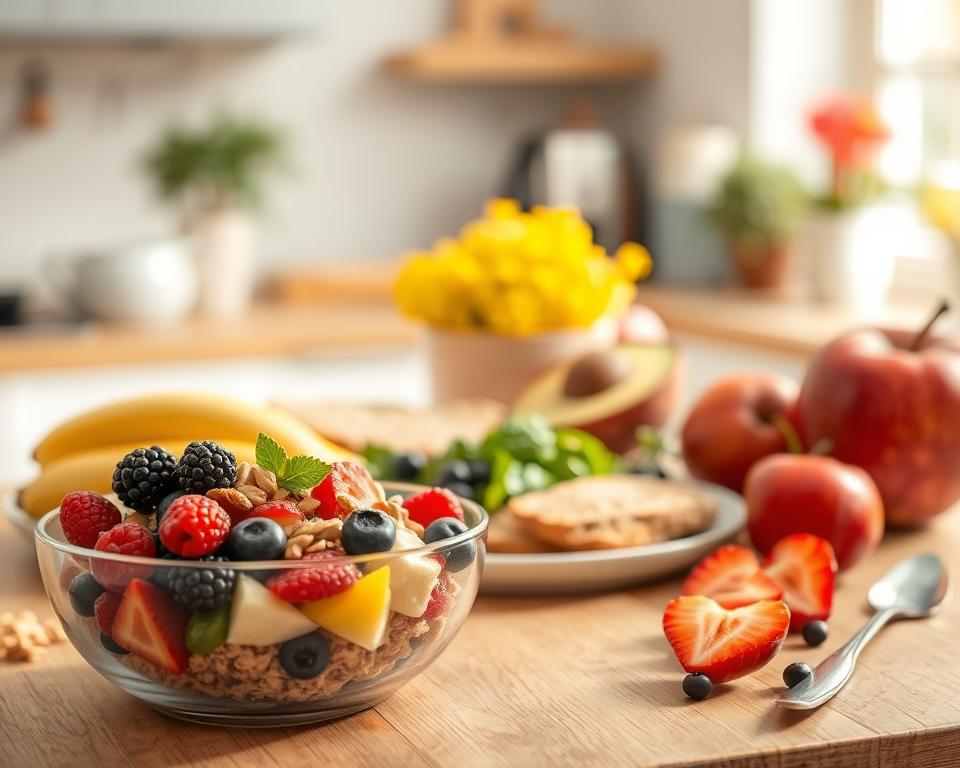
Create a healthy home food environment. Keep a bowl of fruit on the counter, prepped veggies with hummus in the fridge, and whole‑grain bread or crackers in the pantry or freezer. This makes healthy food visible and simple to grab.
Be a role model. Show healthy choices at breakfast and when you order out—think oatmeal with fruit, water instead of soda, and vegetables on sandwiches—so your teen learns by watching.
Talk positively about food. Link meals with steady energy, focus in class, and better sports performance. Avoid strict “good” or “bad” labels and teach eating to hunger and stopping at fullness.
- Prep grab‑and‑go snacks and keep whole‑grain staples so a quick meal is also nourishing.
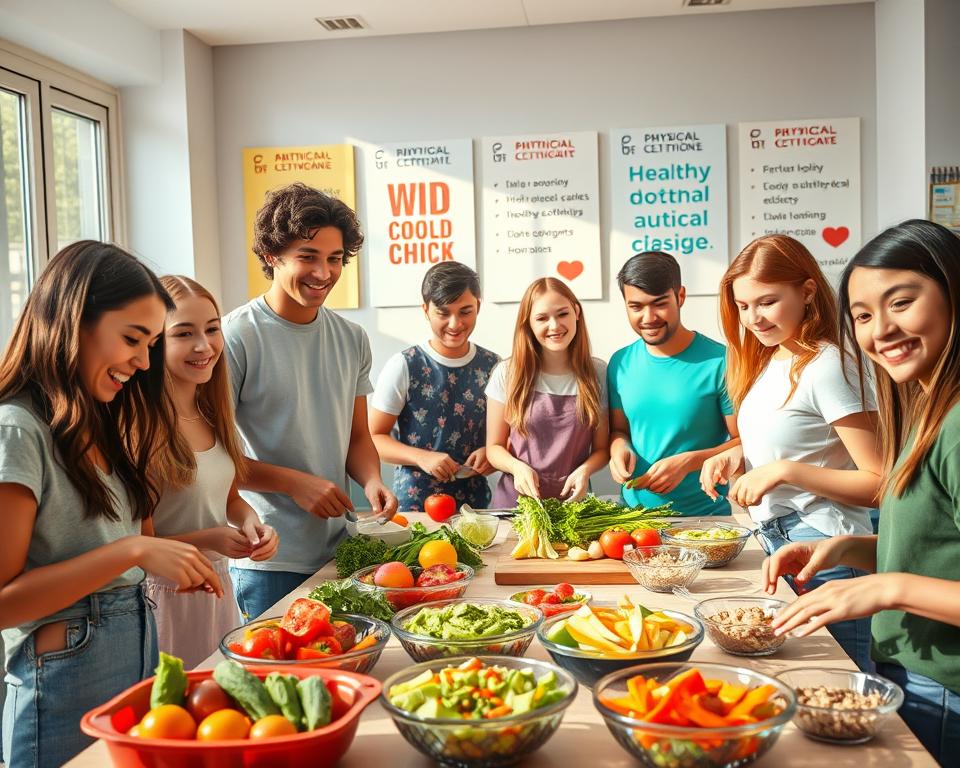
- Invite children to plan one healthy family meal each week and shop on a realistic budget.
- Use school meals, clubs, and safe activity spaces to widen healthy food and movement options.
Watch for red flags. Rapid weight loss, repetitive dieting, excessive exercise, or intense preoccupation with body weight need prompt help from a professional to protect health and nutrition.
Shaping the environments where adolescents make food and activity choices
The places teens use every day influence what they choose to eat, how active they are, and how healthy they stay. You can push those choices toward better outcomes by supporting practical policy changes and local improvements.
Support policies that help: healthier placement, clearer labels, and limits on junk-food marketing
Clear front-of-pack labels, limits on ads aimed at kids, and rules that keep high‑sugar and high‑fat foods out of prime store spots reduce impulse buys. These steps make a healthier diet easier without extra effort from families.
Close the equity gap: improve access to affordable healthy foods and daily physical activity
Adolescents from less affluent areas face higher rates of overweight and obesity and eat fruit and vegetables less often. Targeted solutions matter.
- Universal free school meals and quality PE each week increase daily access to nourishing food and activity.
- City design that supports active travel and safe play spaces boosts regular movement and lowers weight risk.
- Teen‑friendly gathering spots with seating and nearby healthy options shift social time away from fast-food defaults.
Tu lo farai find this information useful when you ask your school board or city council to adopt policies that make healthy choices the easy default for your teen and neighborhood.
Conclusione
You can shape better health for your children by pairing simple home routines with smarter local supports. Keep vegetables and fruit visible, plan a few reliable meals each week, and choose water first during the day to lower sugary-drink intake.
Small swaps add up: a vegetable side, whole-grain base, or yogurt with a meal builds steady energy and supports development over the years. Encourage children to help choose meals so healthy choices feel like independence, not restriction.
Advocate for fair access to healthy food and activity spaces, and seek professional help quickly if you notice worrying signs of restrictive diet or weight loss. For a deeper look at adolescent diet patterns, see the adolescent diet patterns review.