Anúncios
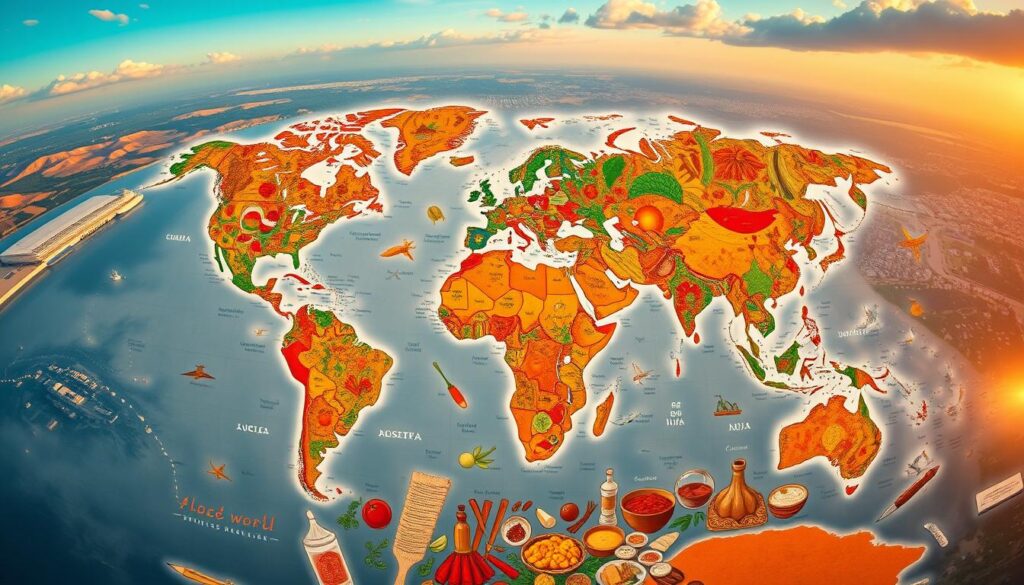
You often take for granted the plate in front of you. What seems local may owe its taste to centuries of exchange, routes, and new soil. Tomatoes, potatoes, and peppers began elsewhere and became staples by way of travelers and trade.
As an eater, you live with that shared story every day. Immigrants and migrants bring recipes and habits, adapt them to new climates, and sometimes send changes back home. This two-way flow keeps cuisines fresh and alive.
Markets and menus tell the rest of the tale. Shops run by newcomers broaden access, and restaurants make once-exotic dishes ordinary. A single example — a citrus-marinated fish or a tomato sauce on pasta — points to crossings, growers, and methods that shaped your weekly meals.
To read more on how these exchanges unfold across regions, see a clear discussion here on food and cuisine in the migration.
Why your plate tells a migration story
Your plate is a quiet archive of journeys, recipes, and the people who carried them. What looks ordinary often mixes memory and the present. Ingredients and dishes link you to faraway homes while fitting into your weeknight routine.
Anúncios
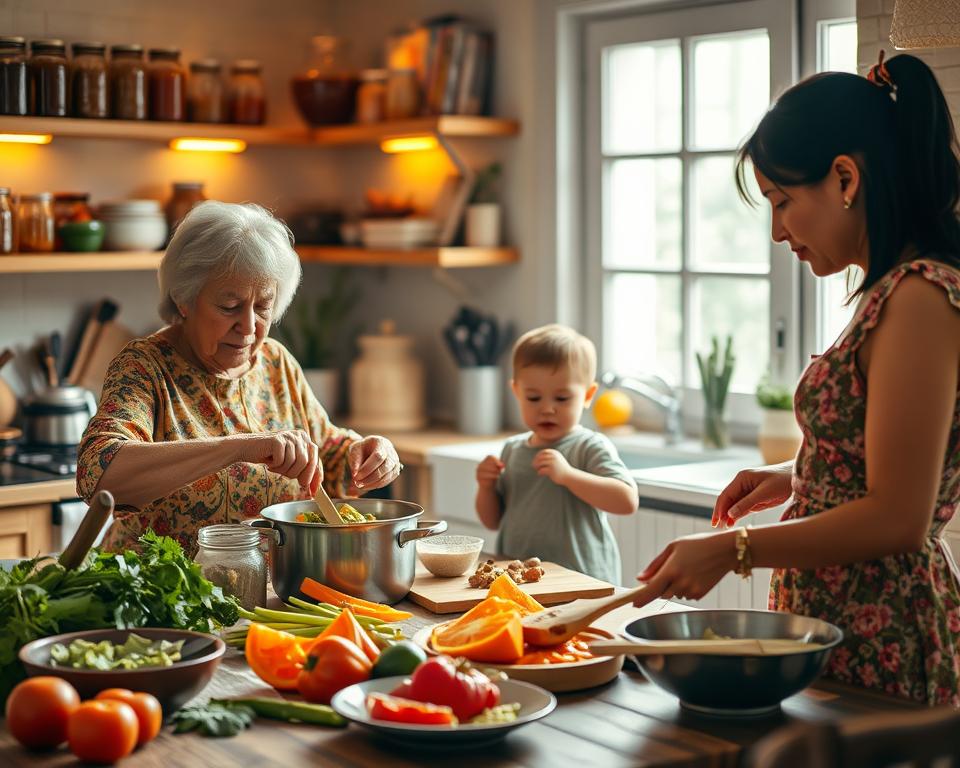
For immigrants, cooking recreates home and builds community. A spice blend or a slow stew reconnects family and ritual. Shared markets and holiday meals help form new communities in a new place.
Traditions change as you live and work. An old recipe adapts to new stores, schedules, and tools, so authenticity becomes a living conversation rather than a rulebook.
- You carry a map on your plate: dishes show how people settled and made meaning.
- Comfort foods can heal and at times mark you as different in a host society.
- See one example—an adapted festival dish—and you understand how cultures stretch without breaking.
In short, food connects identity, survival, and success. It helps immigrants and migrants keep roots while shaping local life and the broader food culture around you.
Anúncios
From borrowed ingredients to beloved dishes: a brief history of culinary mixing
Trace the path of a single tomato and you can read centuries of trade and taste.
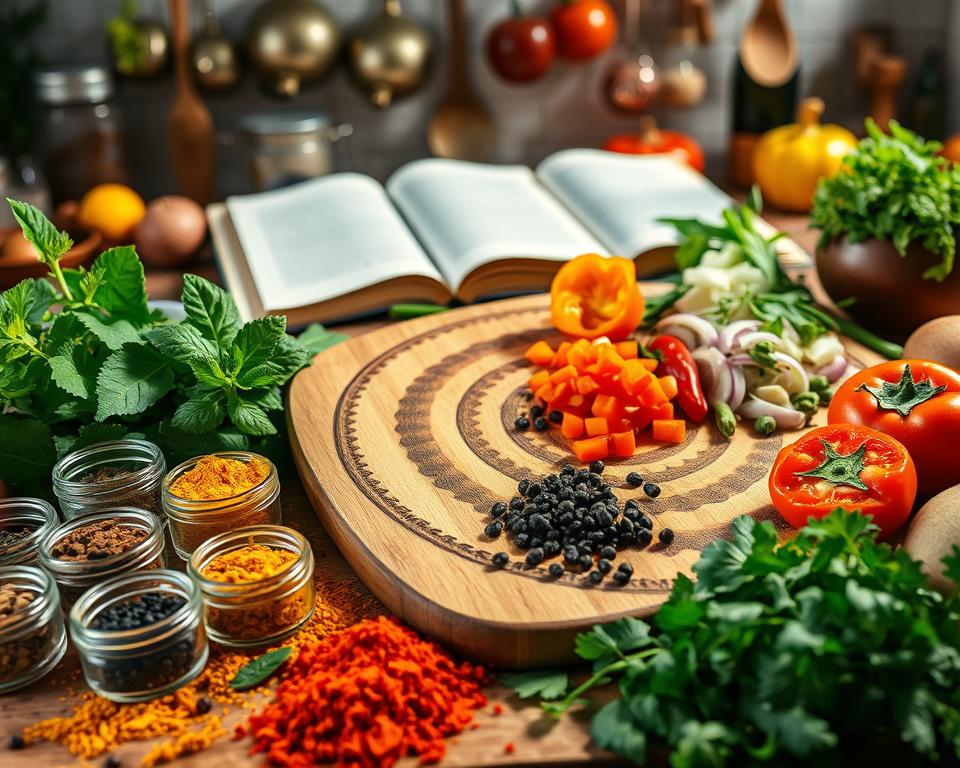
Tomatoes, potatoes, peppers, citrus, eggplant
You can retrace how ingredients crossed oceans: tomatoes, potatoes, and peppers came from the Americas. Oranges and other citrus trace back to Asia. Eggplant, spinach, and artichoke travelled with Arab traders.
Techniques and tools on the move
Tools shape what you cook as much as ingredients do. Wood hearths and coal stoves gave way to gas, induction, and microwaves. The couscoussier moved from clay and aseqfel cloth seals to cast iron and silicone bands, speeding the process while keeping the same method.
Import, adapt, re-export
Products are often imported, integrated into local agriculture, adapted to new recipes, and sometimes re-exported in new forms. This cycle rewrites what a country calls its staple and changes how recipes appear on menus.
Couscous, paella, kebab: everyday dishes
You taste this loop when couscous becomes a school-lunch option in France or when paella and doner kebab move from immigrant kitchens into supermarkets and street stalls.
- Process: import → integrate → adapt → re-export.
- Local farmers and immigrants together make rare ingredients common.
- Small tool changes over years alter technique and final flavor.
Migration food culture: how you build identity, community, and comfort through cooking
A pot on the stove can be a map of memory, place, and belonging. You use recipes to hold a sense of home while you adapt to new routines. Shared shopping trips, holiday meals, and weekend batch cooking make kitchens into gathering spots.
Finding home away from home
Comfort foods reconnect you to people and moments that matter. You might feel proud serving a dish that tells your story, even if curious looks remind you that you are seen as different. That mix of warmth and awkwardness is common.
Negotiating traditions at the table
You decide what to keep, tweak, or skip based on budget, time, and what’s in the pantry. Women often carry a large role in passing on recipes and balancing elders’ wishes with kids’ tastes and new products.
Authenticity and living heritage
Authenticity isn’t fixed. A dish feels true when it fits your family and moment. You can revive an old method or add a new spice and still claim heritage as a resource for identity and sometimes income.
- You build home by simmering familiar flavors.
- Shared tasks create communities that stabilize identity.
- Heritage adapts, so dishes hold both comfort and change.
What this looks like today: markets, restaurants, and fusion shaping your city
Walk a single block in Athens and you’ll see how different cuisines sit side by side.
Shawarma stands nestle next to souvlaki grills and Arabic-translated menus welcome new arrivals. Small restaurants become meeting places where a chef shares recipes, trains staff, and builds trust with neighbors.
Greece as a living example
Tastes of Damascus is a clear example: a Syrian immigrant teamed with a Franco-Greek partner and placed the Syrian mother as main chef. The spot hires locally, teaches kitchen skills, and invites curious diners to try authentic dishes.
Community impact and wider reach
On Lesvos, Reem hired Greek students to build ties. That choice created work and local goodwill. You can taste older threads too—the Ottoman imprint shows up in coffee and some flavors that still shape how people serve and sip.
- Longer hours and extra stock at immigrant-run shops expand access to spices and grains.
- UNHCR-backed events, like the Paris festival, put refugee chefs on stage and open career paths.
- Fast formats—kebab stands or quick bakeries—help dishes spread across neighborhoods.
| Site | Role | Community benefit |
|---|---|---|
| Athens streets | Coexistence of shawarma and souvlaki | Everyday access to varied flavors and menus |
| Tastes of Damascus | Restaurant and training hub | Jobs, culinary exchange, local trust |
| Reem, Lesvos | Local hiring and outreach | Integration, youth employment, economic ties |
| Paris festival | Showcase for refugee chefs | Exposure, social cohesion, new markets |
Conclusion
Streets, stalls, and home tables trace how new ingredients become familiar over time. Markets and restaurants, from small stands to places like Tastes of Damascus or Reem, show how trust and opportunity let people turn odd ingredients into everyday comforts. This ongoing process shapes your city’s food culture and the flavors you meet.
Try simple acts: write a family recipe, ask a chef about a signature sauce, or buy two new ingredients and cook together. These steps help traditions live and keep cooking fresh for your community.
Stay curious: the same forces that shaped dishes yesterday will shape what you eat tomorrow—so taste, share, and keep the process moving.