Anuncios
Necesita opciones claras que reduzcan el desperdicio y disminuyan su huella ambiental. Sin comprometer el atractivo ni el rendimiento del producto. Esta guía le ofrece una guía práctica para evaluar opciones y comparar ventajas y desventajas en la práctica.
HoyLas marcas están optando por papel de origen responsable, etiquetas con contenido reciclado e insumos compostables para satisfacer la demanda de los consumidores y reducir la carga en los vertederos. La EPA señala que los envases y embalajes representaron aproximadamente 82,2 millones de toneladas de residuos sólidos urbanos en EE. UU. en 2018, por lo que la necesidad es palpable.
Aprenderás a distinguir entre reciclables, compostables y biodegradables. También verás cómo las empresas líderes utilizan materiales como cajas plegables y etiquetas recicladas para demostrar un progreso medible.
En las secciones posteriores se detallarán las preguntas que debe plantear a los proveedores y los formatos que se adaptan a sus productos. Para obtener más información sobre opciones específicas y casos prácticos, consulte este recurso sobre envases ecológicos: guía de paquetes ecológicos.
Por qué es importante elegir un embalaje ecológico hoy en día
Elegir mejores contenedores hoy reduce los desechos y disminuye las emisiones de gases de efecto invernadero a lo largo del ciclo de vida de un producto. Al elegir materiales que utilizan menos recursos, se reducen las emisiones derivadas de la producción, el transporte y la eliminación.
Anuncios
Consumidores En Estados Unidos, se premia a las marcas que actúan. Las encuestas muestran que más del 60% pagará más por opciones reciclables o compostables claramente etiquetadas. Esto genera valor de mercado para las empresas que mejoran su huella ecológica.
Cambiar los envases alimentarios convencionales por diseños monomateriales de tamaño adecuado ayuda a reducir los residuos en origen. También simplifica la recuperación en la mayoría de los sistemas estadounidenses y reduce el riesgo a largo plazo a medida que se endurecen las normativas.
- Reducir los residuos: Eliminar capas sobrantes y estandarizar materiales.
- Cumplir con las expectativas: Comunique claramente la reciclabilidad o compostabilidad.
- Construir circularidad: Utilice contenido reciclado para mantener los materiales en uso por más tiempo.
Estas medidas protegen su marca y mejoran el impacto ambiental al tiempo que se alinean con la demanda de los consumidores y la regulación emergente.
Anuncios
Cómo evaluar el embalaje ecológico para sus productos
Comience con una lista de verificación que priorice el producto y que vincule las necesidades de barrera, vida útil y transporte con las opciones de materiales. Esto le ayuda a seleccionar materiales y tipos de embalaje que cumplan con el rendimiento sin necesidad de ingeniería excesiva.
Priorizar insumos renovables, reciclables o compostables. Elija papel o fibras vegetales de origen responsable cuando cumplan con los requisitos de resistencia y durabilidad. Use aluminio, vidrio o PET solo donde existan sistemas locales de recuperación.
Diseñe para reducir los residuos a lo largo de su ciclo de vida. Dimensione correctamente los componentes, elimine las capas redundantes y pruebe la protección durante la distribución. Especifique tintas a base de agua y etiquetas lavables para mantener los flujos limpios y mejorar el rendimiento del reciclaje.
Aproveche la innovación sin sacrificar el rendimiento
Pruebe fibras compostables o películas de base biológica solo cuando existan instalaciones de reciclaje o programas de recuperación. Al evaluar el plástico, elija resinas reciclables y establezca objetivos de contenido reciclado que los proveedores puedan verificar.
- Cree cuadros de mando de proveedores que verifiquen los materiales, el diseño para el reciclaje y los compromisos de desarrollo continuo.
- Mapee su proceso y confirme que las etiquetas o adhesivos no contaminen los flujos de recuperación.
- Pruebe prototipos en condiciones reales de envío y almacenamiento para medir el impacto y los recursos utilizados.
Opciones de envasado de alimentos sostenibles que puedes implementar ahora
Concéntrese en los materiales y diseños que puede implementar ahora para reducir peso, costos y desechos posteriores. Comience con intercambios probados que satisfagan las necesidades de barrera y funcionen con los sistemas de recuperación existentes en los Estados Unidos.
Opciones reciclables y PCRUtilice cajas plegables de papel reciclado y etiquetas autoadhesivas con fibras recicladas. Documente el contenido reciclado posconsumo para justificar sus afirmaciones en el envase y en los informes.
Mantenga limpia la recuperación: Especifique tintas a base de agua y adhesivos lavables. Estos pasos reducen los COV y facilitan el reciclaje mecánico para producir material recuperado de mayor calidad.
- Adopte fibras compostables como el bagazo o el bambú para productos adecuados y agregue pautas claras de eliminación.
- Aplicar un diseño minimalista: menos capas, calibres más delgados y estructuras más inteligentes para reducir los materiales y las emisiones del transporte.
- Pruebe películas de origen vegetal, películas PCR e insertos de almidón de maíz donde satisfagan las necesidades de barrera y sellado.
“Elija cambios mensurables (documente el contenido reciclado y pruebe prototipos) para que sus decisiones se mantengan bajo revisión”.
Victorias rápidas: Cambie a cartones reciclados, elija etiquetas lavables, utilice tintas a base de agua y reduzca las capas innecesarias. Estas opciones ofrecen beneficios reales en emisiones y costos, manteniendo el rendimiento intacto.
Envases de bebidas sostenibles que reducen el impacto ambiental
La selección del mejor envase para bebidas comienza con adaptar el rendimiento del material a los sistemas de reciclaje locales.
Latas de aluminio y reciclabilidad de circuito cerrado
latas de aluminio Ofrecen una fuerte circularidad. Pueden reprocesarse indefinidamente y tienen altas tasas de recolección en EE. UU.
Esto significa un menor consumo de energía y una opción confiable de circuito cerrado para muchos productos de bebidas.
Vidrio y PET: cuando la reciclabilidad y la infraestructura se alinean
El vidrio y el PET funcionan bien donde existen sistemas de recuperación y clasificación locales. Diseñe etiquetas y cierres para evitar la contaminación.
Esto preserva el valor del material y ayuda a las plantas de tratamiento de aguas residuales a mantener limpios los arroyos.
Botellas de origen vegetal y cartones de papel
Las marcas ahora utilizan polietileno derivado de la caña de azúcar y cartones con contenido renovable para reducir los insumos fósiles.
Verifique el abastecimiento de fibra, el diseño de tapas y la disponibilidad de suministro con sus proveedores y empresas.
Bolsas flexibles para bebidas
Las bolsas flexibles reducen el peso del transporte, pero requieren una evaluación cuidadosa de los nuevos materiales y programas de recolección.
Datos de referencia del ciclo de vida y pruebe etiquetas, tintas y adhesivos con rellenos y MRF para que sus soluciones reduzcan el impacto en el mundo real.
“Priorizar las opciones que se ajusten a la recuperación local; los beneficios reales surgen de un diseño que tiene en cuenta los sistemas”.
Alternativas emergentes que configuran el futuro del embalaje
Las innovaciones en nuevos materiales están cambiando el modo en que las marcas protegen sus productos y, al mismo tiempo, reducen los residuos al final de su vida útil. Estas alternativas combinan biología e ingeniería para poder satisfacer las necesidades de rendimiento sin tener que recurrir al plástico.
Espumas de micelio de hongos para usos protectores
Micelio Crece sobre residuos de cultivos para formar cojines moldeados que sustituyen los insertos de espuma. IKEA y otras marcas más pequeñas ya están probando estos materiales para amortiguar el tránsito.
Se compostan bien en condiciones comerciales y reducir la dependencia de las espumas sintéticas.
Bioplásticos de almidón de maíz, caña de azúcar y algas
Los biopolímeros como el PLA (de almidón de maíz), las resinas derivadas de la caña de azúcar y las alternativas basadas en algas pueden imitar muchas funciones del plástico.
Validar las rutas de compostaje y el etiquetado antes de escalar para evitar flujos de desechos no deseados.
Películas y recubrimientos comestibles a base de algas y almidón
Las películas finas de algas o almidón se disuelven o pueden consumirse con productos individuales. Úselas cuando sea posible un contacto seguro y las instrucciones para el consumidor sean claras.
Películas compostables avanzadas que se centran en barreras similares al plástico
Continúan las investigaciones sobre películas compostables que igualan las barreras de humedad y oxígeno de las películas tradicionales. Se recomienda implementarlas solo en lugares donde la infraestructura de eliminación de residuos permita el compostaje industrial.
“Realizar un seguimiento de los innovadores y probar materiales en condiciones reales para que las alternativas tengan un impacto real en el mundo real”.
- Explorar el micelio en busca de funciones protectoras para cortar el acolchado plástico.
- Considere los tipos de bioplásticos, pero verifique los sistemas al final de su vida útil.
- Pruebe películas comestibles en artículos en porciones para eliminar los desechos posteriores al uso.
- Películas compostables avanzadas piloto donde las barreras y la eliminación se alinean.
Del piloto a la escala: implementación, costos y cumplimiento en Estados Unidos
Comience poco a poco y escale con los datos: Pruebe algunas SKU, mida los resultados y luego amplíe lo que funciona. Una auditoría de referencia de sus contenedores y materiales muestra resultados rápidos que generan... menor impacto ambiental con poca interrupción.
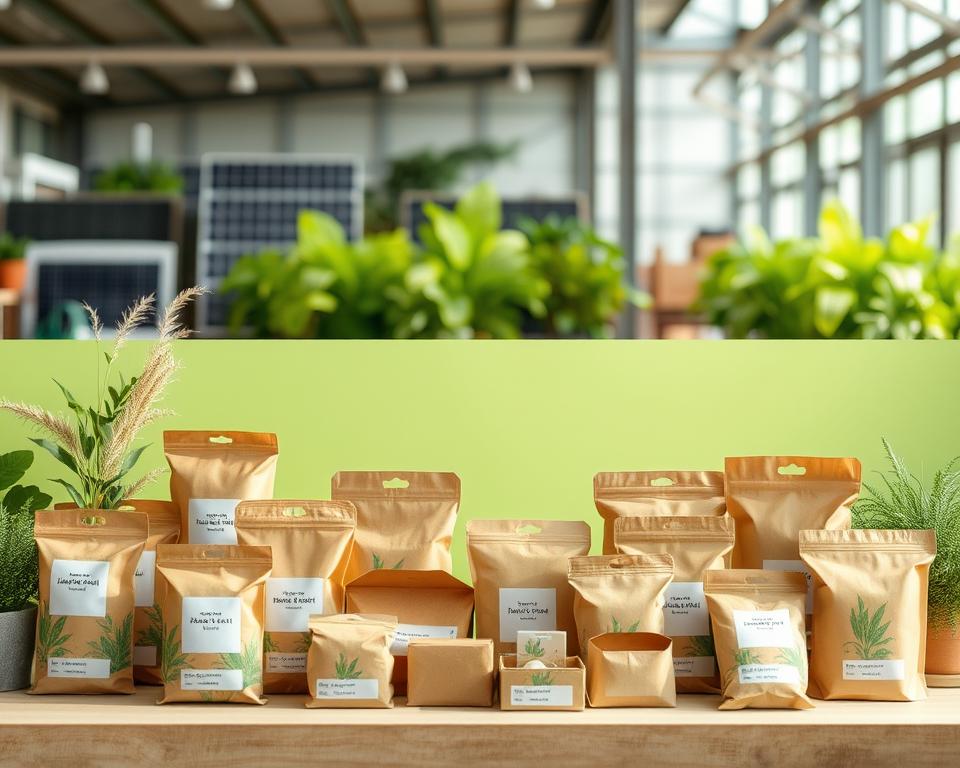
Superar las barreras de costos y escalabilidad con adopción gradual e incentivos
Utilice implementaciones graduales para gestionar los riesgos y costos de producción. Pruebe productos seleccionados, registre las velocidades de línea y las tasas de daños, y perfeccione antes de un lanzamiento general.
Busque incentivos federales, estatales y de servicios públicos. Asóciese con otras empresas para aumentar el volumen y obtener mejores precios en nuevas soluciones.
Selección de proveedores y validación del rendimiento, la seguridad y la reciclabilidad
Cree cuadros de mando para proveedores que requieran datos sobre contenido reciclado, certificaciones y vías de fin de vida útil. Realice pruebas de línea para confirmar el sellado, la calidad de impresión y la durabilidad en condiciones reales.
- Alinear las reclamaciones a la infraestructura: Asegúrese de que las declaraciones de reciclabilidad o compostabilidad coincidan con los recursos disponibles en sus mercados.
- Educar a los consumidores y a los equipos: Las instrucciones de eliminación claras mejoran las tasas de recuperación.
- Seguimiento del coste total de propiedad: Incluya el precio del material, el flete y las devoluciones cuando presente el caso de negocio.
“Probar, validar y escalar con socios para reducir el riesgo y generar ahorros a largo plazo”.
Para una revisión técnica más profunda y un contexto de cumplimiento, revise la información relevante. investigación industrial.
Conclusión
Concéntrese en los cambios que puede seguir: El contenido reciclado, los diseños de tamaño adecuado y las rutas de fin de vida verificadas hacen que el impacto sea medible.
Comenzar con intercambios de alto impacto como cartones de papel reciclados y latas de aluminio, y luego probar insertos de micelio o bioplásticos de almidón de maíz donde exista recuperación.
Elija materiales de embalaje que se adapten a sus realidades de producción y a los sistemas de recuperación locales para reducir los residuos y disminuir el impacto ambiental.
Comunique claramente los pasos de eliminación en el envase, verifique las afirmaciones y adapte lo que funciona. Este enfoque ayuda a su marca a reducir el uso de plástico, ahorrar recursos y liderar el sector de envases sostenibles hoy.