Анунсиос
Can a single change in supply choices cut costs, cut waste, and make a brand stronger? This question sits at the heart of any restaurant deciding how to buy, cook, and present food to guests.
This guide shows what practical steps a local cafe or a multi-location group can take now. It frames the issue with a stark fact: the U.S. industry creates 22 to 33 billion pounds of food waste every year.
Readers will get a clear roadmap for balancing quality, cost, and environmental impact. It outlines vendor choices, waste fixes, packaging shifts, and efficiency upgrades that help margins and guest trust.
This is not a marketing pitch. It is a set of repeatable practices that scale across locations while keeping menus and service strong. The aim is useful, present-tense guidance operators can use today.
Why sustainable sourcing matters for U.S. restaurants right now
Right now, pressure from rising bills, guest expectations, and supply volatility is forcing choices that affect both margins and reputation. Operators who treat procurement as an operational lever can cut costs and reduce visible harm at the same time.
Анунсиос
Food waste at scale
The U.S. industry creates an estimated 22 to 33 billion pounds of food waste each year. That loss hits the ledger twice: the price of the ingredient and the disposal cost.
Energy intensity
Commercial kitchens use about 2.5 times more energy per square foot than other commercial buildings. Equipment choices link directly to menu feasibility and utility bills.
Water demand
Some kitchens can consume up to 1 million gallons of water annually. Small changes at prep and dish stations add up to meaningful cost savings and reduced environmental impact.
Анунсиос
Packaging and plastic waste
Single-use items drive landfill growth and ocean harm. This is a guest-facing issue that influences choices at checkout and shapes brand perception.
- Operational urgency: energy, labor, and supply swings push this up the priority list.
- Direct link to costs: better forecasts and inventory discipline reduce loss and disposal spend.
- Measurable impact: tracking waste, water, and energy sets the stage for cost savings and stronger sustainability.
What “sustainable sourcing” looks like in restaurant supply chains
Clear rules for buying set the tone: what a kitchen chooses to buy shapes cost, quality, and its environmental footprint.
Definition: sustainable sourcing is a set of repeatable standards that state where ingredients come from, how they are produced, and how reliably they are tracked through the supply chain.
Local and seasonal choices
Local sourcing cuts delivery miles and often improves freshness. Buying seasonally helps menus reflect regional availability and lowers carbon from transport.
Ethical, responsible suppliers
Good suppliers publish labor and animal welfare practices. Operators should ask for certifications, origin info, and simple ingredient specs to reduce risk and the environmental impact of purchases.
Traceability and farming links
Traceability supports faster recalls and better quality control. When demand signals are clear, they can encourage regenerative farming and reduce a brand’s total environmental footprint.
- Quick docs to request: origin, certifications, ingredient specs.
- Защо е важно: clearer supply data lowers risk and improves menu reliability.
Restaurants Adopting Sustainable Sourcing Models: best-practice framework
A clear procurement framework turns good intentions into repeatable buying habits across every kitchen. It starts with a short, written policy that defines priority categories, minimum supplier requirements, and how management handles exceptions.
Start with a sourcing policy
Define standards for ingredients and approved suppliers, set an audit cadence, and list acceptable substitutions. This single document guides staff and reduces ad hoc orders.
Build partnerships that scale
Work with farmers and regional suppliers on forecasting and seasonal plans. Shared quality specs and regular reviews cut last-minute shortages and deepen trust.
Menu design and purchasing shifts
Design menus around availability, use flexible formats like market plates, and test plant-forward recipes. Shifting to lower-impact categories protects guest satisfaction while lowering risk.
“Start with written standards, then measure and refine the practices that matter.”
- Consistency: centralized guidelines with limited local flexibility.
- Management routines: vendor scorecards and quarterly reviews.
- Scaling: partnerships and clear specs for each location in the chain.
Food waste reduction that strengthens sourcing and lowers costs
Small changes at the stockroom door can stop spoilage and turn waste into measurable savings.
Inventory discipline prevents over-ordering. Set tighter par levels, forecast high-variance items, and track usage by shift. These steps cut unnecessary orders and lower costs in day-to-day operations.
Use inventory discipline to prevent spoilage and over-ordering
Labeling, dating, and clear shelf layouts help staff choose older stock first. Better forecasting reduces surprise orders and keeps the kitchen from buying what it cannot use.
Adopt FIFO and regular inventory audits
FIFO execution needs simple rules: date every container, rotate prep bins, and run short audits each week. Regular audits catch slow movers before they become waste and reveal hidden cost drivers.
Donation pathways for surplus food
Create safe handoffs to local food banks and charities. A consistent pickup plan and basic food-safety checks shrink landfill contributions and support the community.
Composting programs that turn organic waste into a local resource
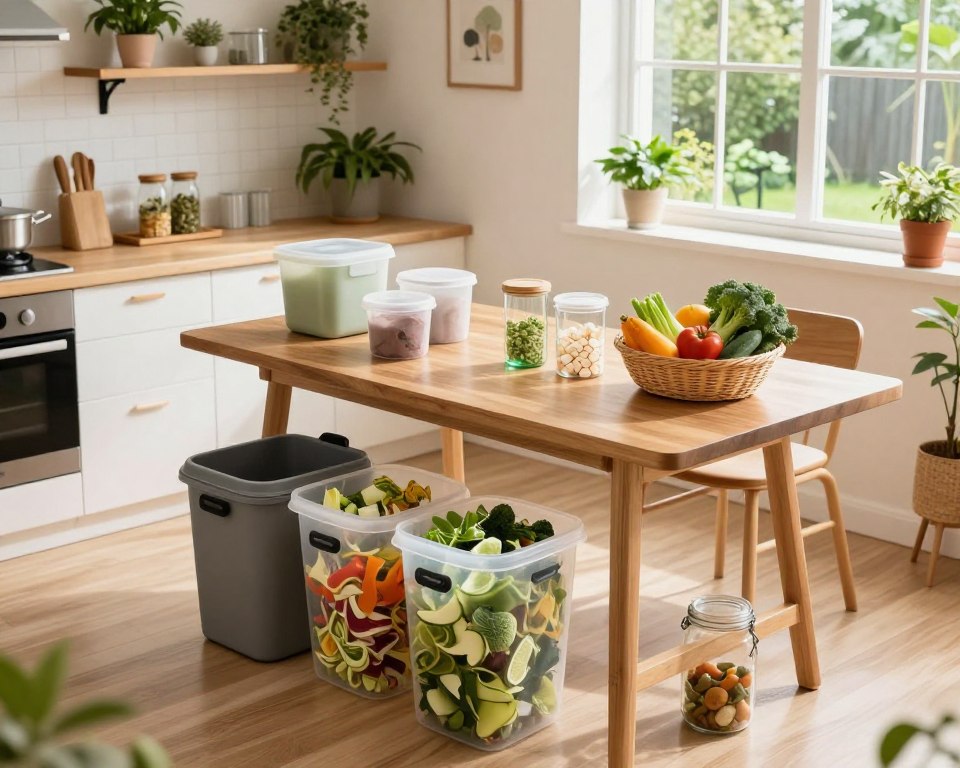
Train staff on what goes in compost bins and how to avoid contamination. Proper bin placement and routine collection make composting practical and connect organic waste to local soil projects.
“For every $1 invested in food waste reduction, restaurants can save about $7.”
Connect waste management to buying: track what is thrown away, then renegotiate pack sizes, change order frequency, or pick suppliers with better-fit formats. For practical solutions and program ideas, see food waste solutions.
Packaging and plastic reduction strategies guests actually notice
Visible packaging changes often shape a guest’s first impression more than menu text or decor. Simple swaps cut single-use plastic waste and create a clearer message about a brand’s values.
Replace single-use plastics with biodegradable and reusable options
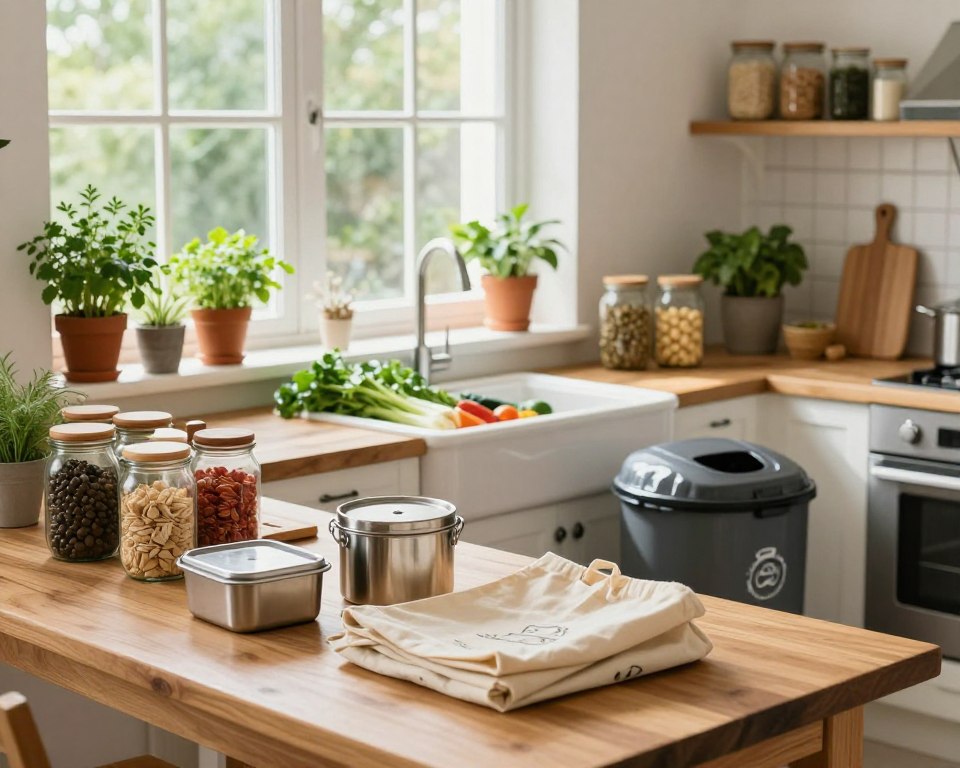
Swap straws, lids, and utensils for compostable or reusable alternatives. When the operation can support washing and returns, reusable containers reduce long-term packing waste.
Front-of-house swaps guests notice immediately
Standardize by-request accessories for takeout: default “no straw” and single-serve condiments only on request. This keeps service consistent and lowers visible waste.
Back-of-house changes that cut packaging at scale
Buy in bulk, consolidate deliveries, and use reusable prep containers to reduce cardboard and plastic before it reaches the floor. These quiet changes shrink waste and cost.
Incentives that encourage reusables and dine-in behavior
Offer small discounts for customers who bring reusable cups or choose dine-in. Use staff prompts and POS defaults to make low-waste choices easy for consumers.
Brand lift: attract eco-conscious diners with visible efforts
Signage, menu notes, and short staff lines that explain changes will improve perception without preaching. Clear communication turns packaging upgrades into brand advantage.
“Packaging is the most visible sustainability move a brand can make; do it well and guests will notice.”
- Защо е важно: visible swaps influence ordering and reduce landfill and ocean harm.
- Practical steps: compostable packaging, reusable systems, bulk buying, and default-by-request service.
- Резултат: lower waste, improved brand reputation, and better dining experiences.
Energy and water efficiency upgrades that improve operational efficiency
Targeted upgrades to lighting, refrigeration, and plumbing reduce resource usage and protect margins.
Operators can cut energy bills by up to 30% with the right equipment changes. LEDs, high-efficiency refrigeration, and modern cooking units are common starting points.
Smart controls and routine maintenance
Smart thermostats and scheduling trim unnecessary usage during slow hours. Regular maintenance—seal checks, coil cleaning, and calibration—keeps systems efficient and lowers repair downtime.
Water fixtures and pre-rinse efficiency
Low-flow faucets and high-efficiency pre-rinse sprayers can reduce water usage by as much as 30%.
“Small habits—turn-off checks and quick leak reports—protect savings and uptime.”
- Защо е важно: upgrades strengthen operational efficiency today and reduce volatility in monthly bills.
- Where to start: LED lighting, efficient refrigeration, and smart controls deliver the fastest cost savings.
- Keep it working: document changes, train staff, and add simple maintenance routines to daily operations.
For a practical checklist operators can use, see the ENERGY STAR restaurant checklist. These steps link lower usage to improved sustainability and steady operational efficiency.
How to measure sustainability efforts and communicate impact
Measuring what matters turns good intentions into repeatable, board-ready decisions. Start with a short audit to set a baseline for energy, water, and waste. That baseline makes progress provable and useful for management.
Run a sustainability audit and track baseline performance over time
Begin by measuring current consumption and discard rates for each location. Identify hotspots, assign owners, and build a prioritized action list with deadlines.
Tools to monitor usage
ENERGY STAR Portfolio Manager works well for tracking energy and water across sites. Consistent data lets teams compare locations and report improvements to stakeholders.
KPIs that connect sustainability to margins
- waste per cover (lbs/guest) — ties directly to food cost.
- energy per square foot — shows equipment and scheduling gains.
- water per transaction — flags high-use stations.
- landfill diversion rate — measures true environmental impact.
Staff training and certifications
Use short onboarding modules, shift huddles, and role checklists to keep practices consistent. Small incentives boost adoption and help tie daily work to long-term strategies.
Reporting and brand trust
Transparent reporting and third-party certifications make results credible to consumers and partners. Clear data connects waste management to buying changes and strengthens the overall business model.
“Good metrics turn sustainability efforts into a competitive advantage for the brand.”
Заключение
, A focused set of daily practices turns procurement into a measurable business advantage for any kitchen.
This guide reminds operators of the stakes: the U.S. industry throws out 22–33 billion pounds of food each year, uses ~2.5x more energy per square foot, and some kitchens consume up to 1 million gallons of water annually.
The core takeaway: treat sourcing as an end-to-end system that links suppliers, waste, packaging, and efficiency. Set standards, build supplier partnerships, design menus for availability, and back changes with measurement and training.
Quick next steps: run an audit, pick 1–2 wins (FIFO or reusable cutlery), set simple KPIs, train staff, and track supplier performance with tools like ENERGY STAR Portfolio Manager.
Резултат: these efforts cut cost today and build a stronger, more resilient future for independent and chain restaurant operations.