إعلانات
In the modern global food market, consumers will demand clearer answers about what they bring into their homes. Families will look for facts that match their values and daily choices. James J. Costa, COO of Sneakz Organic LLC USA, notes that transparency will move from a nice-to-have to a core brand promise.
This article explores the long journey of ingredients from distant fields to the pantry. It traces the labor, the land, and the practices that shape each product. By revealing these stories, readers will better grasp how the world’s systems touch their plates.
Understanding the way food is sourced helps families make informed choices. Every product carries a narrative, and uncovering those details will guide smarter shopping in the future.
Understanding the Signature Ingredient Origin
Identifying the geographical source of a primary food part reveals the environmental forces that shaped it.
إعلانات
The signature ingredient origin points to the exact place where a main component was harvested or first processed. This matters because climate, soil and farming methods directly shape taste and nutrition.
Many makers now mark whether items are naturally derived. By definition, naturally derived ingredients retain more than 50% of their molecular structure from plants or minerals. That standard helps buyers tell mostly natural components from those heavily altered in a lab.
When researchers trace an item’s origin they study rainfall, soil type, and local practices. Those factors influence shelf life, micronutrients, and flavor.
إعلانات
Understanding origins also guides sustainable choices. By choosing products linked to responsible regional farming, consumers can support biodiversity and long-term ecosystem health.
- Traceability helps spot high-quality natural materials.
- Clear sourcing strengthens community farms and sustainable yields.
The Current State of Food Labeling Laws
Label rules shape what shoppers know before they put a product in their cart.
Defining Ingredient Predominance
The FDA requires that food products list ingredients in descending order of predominance by weight. This means the main component appears first, so consumers can quickly see what makes up a product.
A complex قائمة often contains a high number of technical terms and additives. When many items appear on a label, understanding the legal order helps families judge quality and safety.
The Role of Allergen Disclosure
EU Regulation No 1169/2011 mandates clear emphasis of common allergens like nuts, milk, and gluten within the ingredients list.
Highlighting allergens protects people with sensitivities and reduces risk at home. But rules differ by country, and that variation in the legal order and format complicates global packaging.
- The FDA rule gives a baseline so shoppers spot primary parts first.
- EU rules require visible allergen emphasis to safeguard health.
- Different national regulations and the large number of additives make transparency a challenge.
Why Regional Sourcing Matters for Families
Families who choose regionally sourced foods often gain clearer control over quality and safety. This choice helps reduce the risk of exposure to contaminants like heavy metals in some distant supplies.
One example is buying produce from nearby farms where testing and local standards are easier to verify. That transparency gives parents confidence in what they serve.
The number of households prioritizing ethical sourcing has grown as people match purchases to personal and environmental values. Choosing foods from known origins often means fewer processing steps and higher natural nutrition.
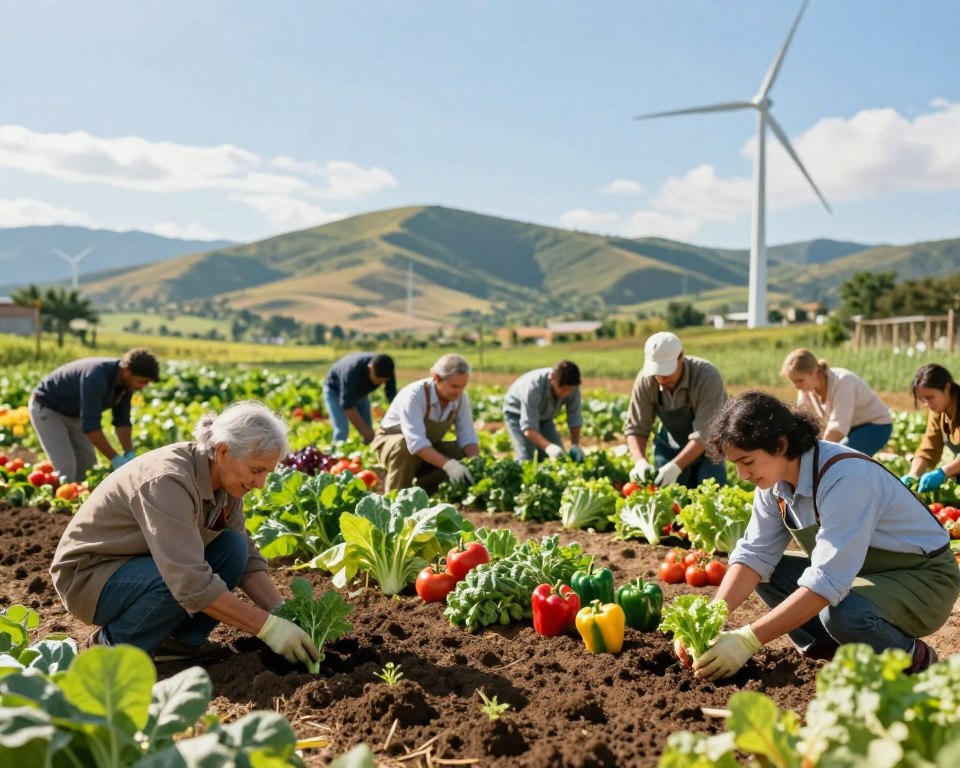
Beyond nutrition, regional sourcing supports local jobs and teaches children about geography and stewardship. By valuing source and practice, a family can make food decisions that benefit health, community, and the planet.
- Supports local economies and higher quality checks.
- Preserves nutritional value by limiting processing.
- Creates learning moments about sustainable farming.
Challenges Facing Transparent Supply Chains
Dynamic sourcing turns simple label claims into a moving target for brands and buyers.
Global food networks shift by season and cost. That makes it hard to keep labels current when a supplier changes.
For a business, the وقت needed to revise packaging every time an ingredient source moves is costly. Small teams struggle to update labels, audits, and paperwork fast enough.
The Complexity of Dynamic Sourcing
Many snacks and processed products use parts from several countries. Tracking each component in a long chain requires constant coordination.
- Farmers, processors, and retailers must share accurate data in real time.
- Seasonal swaps leave gaps between sourcing changes and label updates.
- Consumers can be left unsure about what their products actually contain.
Overcoming these challenges is essential for building trust. Companies that invest in traceability tools and faster data flows stand out in the modern market.
| Challenge | تأثير | Practical Step |
|---|---|---|
| Frequent supplier changes | Outdated labels and consumer confusion | Automate supplier reporting and change alerts |
| Multi-country sourcing | Complex trace paths for snacks and foods | Centralize documentation and use digital ledgers |
| Limited update time | Delay between source switch and label refresh | Adopt modular labeling and QR links |
Brands that work to solve these problems will win long-term loyalty. For more on practical steps toward clarity, see supply chain transparency.
Digital Tools Transforming Ingredient Traceability
Tech is making it possible to track a product’s path from farm gate to grocery shelf in real time. New tools let shoppers move beyond printed labels and scan for full supply chain details.
Leveraging QR Codes for Sourcing
QR codes let brands offer rich data without cluttering packaging. Nestlé, for example, allows consumers to scan codes to see sourcing details for cocoa and coffee.
فوائد:
- Provide a large number of product facts on demand.
- Give consumers quick access to farming practices and testing data.
The Role of Blockchain Technology
Blockchain creates a secure chain of records across the supply chain. Walmart used blockchain to cut the time to trace mangoes and pork from seven days to seconds.
This development helps brands prove quality and reduces the time needed to resolve safety issues.
Smart Retail Integration
Apps and barcode scanners turn phones into quality-check tools. The Yuka app, for example, scans barcodes to report product quality and ingredient safety.
- Smart retail links make labels more useful and interactive.
- They help consumers verify ethical and safety claims in the world of packaged foods and snacks.
How Brands Are Adopting New Transparency Standards
Retailers and makers now use clear scores and scans to turn opaque labels into instant facts for shoppers.
The upcoming Sneakz Smart Shopper App, set to launch by the end of the year, shows how this development works in practice. The AI-powered tool will let consumers scan a product and view its ingredient origin, farming practices, and ethical certifications instantly.
Clean design and smart data are central. When a company focuses on simple visuals and reliable feeds, it signals that it values customer trust above quick marketing gains.
Brands that prioritize transparency often see stronger loyalty. A clear, color-coded Sneakz Score will give parents an easy way to compare nutritional value and overall product quality at a glance.
- Faster verification: scans replace guesswork.
- Better value: transparent reporting builds repeat buyers.
- Industry impact: these standards nudge the whole business to higher accountability.
Engaging the Next Generation in Food Discovery
Kids can become curious explorers when food labels turn into clues to a wider world. That curiosity helps them learn about the foods they eat and the people who grow them.
Turning Grocery Shopping into a Learning Experience
Parents can use a simple قائمة to make shopping a game. They ask children to be “food detectives” and scan barcodes to see product details.
Matching items on a map helps kids link foods to real places. This shows the value of global farming الممارسات and why quality varies by region.
Teaching children to read the order of ingredients on a label makes composition easier to grasp. Over time, this supports healthy development and smarter choices.
- Playful scanning reveals where an item was grown or processed.
- Map matches explain climate and farming methods across the world.
- Family activities build lasting connections to food and growers.
| نشاط | What Kids Learn | Expected Outcome |
|---|---|---|
| Barcode scan game | Product facts and sourcing | Better label literacy and curiosity |
| Map matching | Growing regions and climates | Global awareness of foods and value |
| Ingredient order quiz | Composition and quality cues | Smarter family choices at checkout |
In time, these small lessons shape informed consumers. A family that learns together will give children a clear way to judge future products and practices.
خاتمة
Transparent practices and smart tools make everyday grocery decisions simpler and safer. This article has shown how clarity, tech, and community-minded brands work together to improve the way people shop for food.
Digital checks like QR scans and blockchain speed verification and cut confusion. Families gain facts at the shelf and trust over time.
Engaging young learners turns shopping into a lesson in ethics and quality. That keeps values alive as the next generation grows.
مع strong, actionable guidance and better standards, the future of food shopping will be clearer, more accessible, and more educational for everyone.