Anúncios
Adopting a smart diet can be a simple, effective way to boost your health as you get older. Small daily choices add up. Choosing whole, plant-based options helps supply key nutrients that support how your body heals and performs.
Research shows that antioxidants neutralize free radicals and may slow cellular changes tied to aging. By picking nutrient-dense meals, you can also help manage low-grade inflammation that affects recovery and energy.
This guide walks you through easy swaps and practical tips for building a balanced plate. You’ll learn which meals deliver the most benefit and how steady habits change outcomes over time.
Start small: focus on colorful produce, whole grains, nuts, and legumes. Consistent choices like these can shape better health and give you more vitality in later years.
Understanding the Role of Antioxidants in Longevity
Everyday metabolic processes produce unstable molecules that can harm cells over time. These free radicals form as a byproduct of normal cell functioning and can damage DNA, proteins, and membranes.
Anúncios
Mechanisms of Oxidative Stress
Oxidative stress happens when harmful molecules outpace the body’s repair systems. Research shows a diet rich in antioxidants can help reduce this damage.
- Free radicals damage cells and raise the risk of chronic disease.
- Maintaining balanced blood sugar and lowering inflammation protects tissue.
- Specific nutrients support cellular repair and gene expression tied to aging.
How Diet Influences Aging
What you eat affects how well your body handles environmental stressors. A thoughtful diet supplies compounds that help reduce inflammation and support healthy blood flow.
Understanding these mechanisms is the first step toward building practical habits that support long-term health.
Anúncios
Essential Longevity Antioxidant Foods for Daily Health
Choose a daily mix of nutrient-rich options to give your body the building blocks it needs for steady health.
A balanced diet should include a variety of items that supply protein, fiber, and healthy fats. These components help maintain energy and support normal recovery as you age.
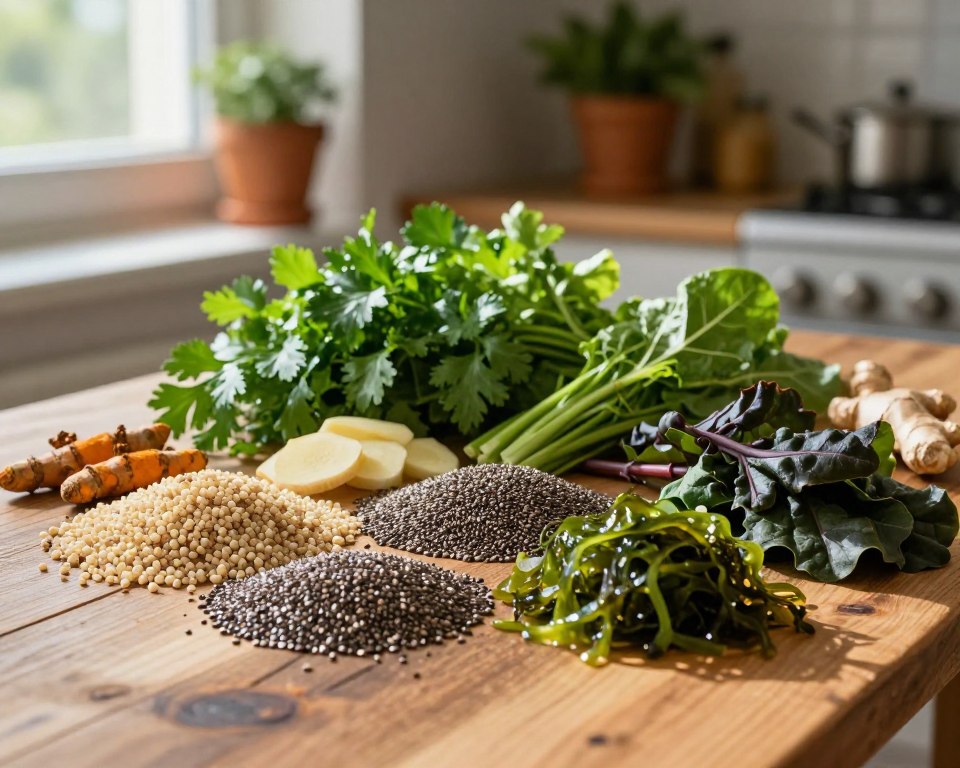
Incorporating seeds and other nutrient-dense sources into meals is an easy way to boost intake of key antioxidants and micronutrients. Small additions—like a tablespoon of chia or hemp—add fiber and plant protein without fuss.
These choices work by reducing inflammation and supporting metabolic processes that matter for healthy aging. Experts recommend rotating different food groups so you get a full spectrum of vitamins, minerals, and phytochemicals.
The benefits of a consistent, nutrient-dense pattern show up over time: steadier energy, improved markers of health, and lower disease risk. Prioritizing these essential foods creates a strong foundation for daily vitality.
The Power of Cruciferous Vegetables
Cruciferous vegetables pack unique phytochemicals that help protect cells and support the body’s detox pathways.
What they are: This group includes broccoli, cauliflower, Brussels sprouts, kale, and cabbage. These vegetables deliver dense nutrients that support heart and overall health.
Sulforaphane and Detoxification
Sulforaphane, found especially in broccoli, activates the body’s natural detox system. It helps reduce inflammatory signaling that can harm blood vessel walls and raise the risk of heart disease.
- Crucifers are nutrient-dense powerhouses that help reduce the risk of heart disease and some forms of cancer.
- Sulforaphane protects cells from inflammatory damage and supports detox pathways.
- Research shows these vegetables contain compounds that can modify hormones and inhibit the growth of cancerous cells.
- Eat a mix of raw and cooked crucifers daily to get the widest range of benefits.
Tip: For more on their cancer-fighting effects, read about the cancer-fighting power of crucifers.
Leafy Greens and Salad Staples
Bright, leafy greens form the backbone of any fresh salad and deliver a dense mix of nutrients with very few calories. Raw greens often have under 100 calories per pound, making them ideal for weight control and better health.
Leafy vegetables are essential salad staples that help lower the risk of chronic disease. Studies link higher intake of these greens to fewer heart attacks, strokes, and some forms of cancer.
These greens supply folate plus lutein and zeaxanthin — properties that protect eye health. Their fiber supports digestion and steady weight, which matters for healthy aging.
- Boost absorption: Add healthy fats like olive oil or avocado to your salad so fat-soluble phytochemicals are better absorbed.
- Variety wins: Rotate spinach, arugula, kale, and romaine to expand nutrient intake.
- Daily habit: A simple mixed salad can improve cardiovascular disease outcomes and overall health over time.
Heart-Healthy Nuts and Seeds
Small daily portions of nuts and seeds deliver concentrated heart-friendly fats, protein, and minerals. These quick additions can improve overall health and support healthy aging when added to a balanced diet.
Omega-3 Fatty Acids
Walnuts, flax, chia seeds, and hemp are top sources of omega-3 fatty acids. Walnuts stand out as a top source and may help reduce inflammation and support brain and cardiovascular function.
Tip: Chia seeds and flaxseeds supply plant-based omega-3s that help keep skin membranes healthy and improve meal nutrient balance.
Mineral Density
Nuts and seeds also supply vitamin E, magnesium, zinc, and fiber. These nutrients help lower cholesterol and cut the glycemic load of a meal.
- Key benefits: Heart-healthy fats, protein, and fiber that help reduce the risk of heart disease.
- Research links regular nut intake with about a 35 percent lower heart disease risk and improved healthspan.
- Include a handful daily or a tablespoon of mixed seeds to boost mineral intake and vitamin E.
The Benefits of Berries and Pomegranate
Bright berries and pomegranate bring tangible health benefits in small servings. A study found that drinking one ounce of pomegranate juice daily for a year cut atherosclerotic plaque by about 30 percent, a striking win for the heart.
Participants who ate blueberries or strawberries every day saw better blood pressure and lower signs of oxidative stress. These fruits deliver polyphenols and plant compounds that help prevent inflammation and support insulin sensitivity.
- Packed with polyphenols, berries help reduce inflammation and may help prevent cognitive decline.
- Pomegranate’s punicalagin makes up a large share of its antioxidant activity and can help prevent plaque buildup.
- Regular intake links to a lower risk of heart disease and improved cardiovascular function in older adults.
“Including a mix of berries and pomegranate in your diet gives you powerful properties that support cellular repair and overall health.”
Tip: Add a handful of mixed berries to yogurt or a drizzle of pomegranate juice to vinaigrette to gain these benefits daily.
Legumes and Pulses for Metabolic Support
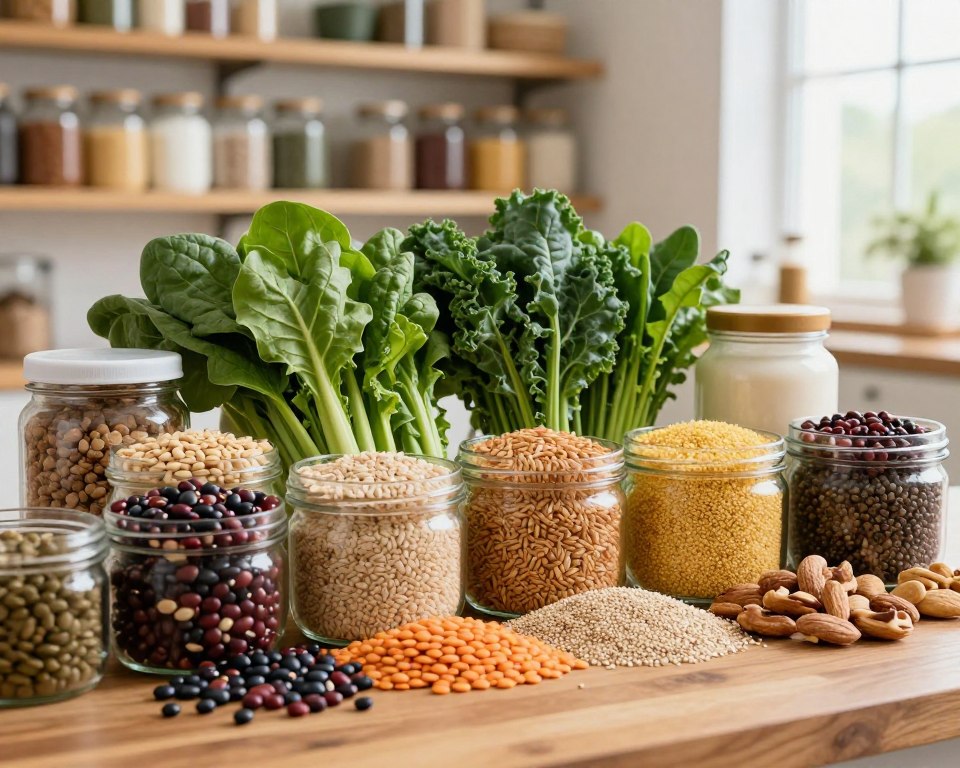
Legumes are an affordable way to boost nutrient density while helping control post-meal blood glucose. Beans, lentils, and peas give steady energy and support overall health with minimal fuss.
Fiber and Blood Sugar Regulation
These plant-based seeds supply both soluble and resistant fiber that slows digestion. That helps blunt the spike in blood glucose after a meal and eases pressure on the body’s insulin response.
Research links regular pulse intake to lower risk of cardiovascular disease and type 2 diabetes. Eating beans, peas, or lentils twice a week has been associated with a 50 percent drop in colon cancer risk.
- Stabilize blood: High fiber intake promotes steady blood glucose and greater satiety.
- Resistant starch feeds gut bacteria and converts to short-chain fatty acids that help prevent colon cancer.
- Plant protein: Pulses provide a sustainable source of protein to support the body during aging.
Tip: Add a half cup of beans to salads or soups to boost fiber, reduce cravings, and support long-term metabolic health.
Mushrooms and Immune Resilience
Mushrooms deliver a compact package of bioactive compounds that support immune function and help defend cells from damage.
Studies show several varieties reduce inflammation and boost immune cell activity. White and portobello mushrooms also contain aromatase inhibitors that may lower breast cancer risk.
Always cook mushrooms. Cooking cuts agaritine, a compound present in raw mushrooms, and increases the availability of helpful properties.
- Mushrooms are unique foods that support immune resilience and may reduce cancer risk through specific inhibitors.
- Research reports anti-inflammatory effects, enhanced immune response, and reduced DNA damage in some studies.
- Include common white mushrooms or varieties like shiitake to add nutrient-dense compounds to your diet.
“Regularly including mushrooms in meals gives your body extra tools to fight inflammation and disease.”
Tip: Sauté or roast mushrooms to get the most benefit and to enjoy a savory, healthful addition to salads, soups, or grain bowls.
Allium Vegetables for Cardiovascular Protection
Onions, garlic, and their kin deliver sulfur-rich compounds that protect the heart and support healthy cells.
These vegetables contain organosulfur compounds that help detoxify carcinogens and can slow unwanted cell growth. Increased intake links to a lower risk of gastric and prostate cancer.
Onions supply flavonoid antioxidants with clear anti-inflammatory properties. That inflammation control helps reduce chronic disease risk and supports overall health.
Garlic contains allicin, a bioactive molecule shown to promote heart function. Regular use may help reduce biological aging of the cardiovascular system and lower the risk of heart disease.
- Include leeks, chives, and shallots to expand protective compounds in your diet.
- These vegetables support immune function and contribute to cardiovascular disease prevention.
- Simple additions—raw or lightly cooked—boost the properties that help prevent chronic illness.
“A daily sprinkle of alliums can add powerful support for heart health and cellular protection.”
Tomatoes and Lycopene Absorption
Adding tomato-based sauces can markedly boost the protective compounds you absorb from a meal. Tomatoes are a top source of lycopene, a carotenoid linked to heart health and reduced disease risk.
Maximizing Lycopene Bioavailability
Cooked tomato preparations release more lycopene. One cup of tomato sauce contains about ten times the lycopene of one cup of raw, chopped tomatoes.
About 85 percent of dietary lycopene in the U.S. comes from tomatoes, so smart choices matter. Pair cooked tomatoes with healthy fats — olive oil or avocado works well — to improve absorption.
- Tomatoes are a rich source of lycopene, an antioxidant that helps lower cardiovascular disease risk.
- Cooking tomatoes and adding fats boosts bioavailability and increases your protective compound intake.
- These vegetables also supply vitamin C and beta‑carotene, nutrients that defend the skin from UV damage and aging.
- Choosing tomato sauce over raw tomatoes can significantly raise the beneficial properties that support heart and body health.
“A simple swap — sauce for raw — gives you far more lycopene and a clear boost to daily nutrient intake.”
Tip: Add a spoonful of tomato sauce to salads, grains, or soups to fight inflammation and support long-term health.
Healthy Fats and Oils for Cellular Aging
Including monounsaturated and omega-3 fatty acids in your diet helps reduce inflammation and supports skin and cell structure as you age. Extra virgin olive oil is a top choice — about 73% of its fats are monounsaturated.
Fatty fish supply omega-3 fatty acids and high-quality protein that help maintain a strong skin barrier and protect heart function. Avocado adds monounsaturated fat plus vitamin-packed properties to keep membranes flexible.
Protein-rich foods such as chicken, tofu, and eggs are important for collagen synthesis. Consuming hydrolyzed collagen peptides may improve skin elasticity, moisture, and firmness while reducing wrinkles.
Research links a diet rich in healthy fats and antioxidants to a lower risk of chronic disease and better metabolic health.
- Use extra virgin olive oil for dressings and low-heat cooking.
- Eat fatty fish twice weekly for omega-3 intake and protein.
- Add avocado and a handful of seeds to boost vitamin and mineral intake.
“Prioritizing nutrient-dense sources of fat gives your body the compounds it needs for long-term vitality.”
Conclusion
Small, daily dietary choices can meaningfully cut your risk of chronic disease and strengthen heart function. Adopt simple swaps—more plants, nuts, legumes, and healthy oils—to lower the immediate risk and to protect long-term heart health.
Focus on whole patterns rather than quick fixes. The best antioxidant choices in a varied diet provide clear benefits for cell protection and healthy aging. Consistent habits plus regular activity give the biggest gains over time.
Use this guide as a practical starting point. Small steps add up and help you reduce disease risk while supporting a stronger heart and better overall health.